
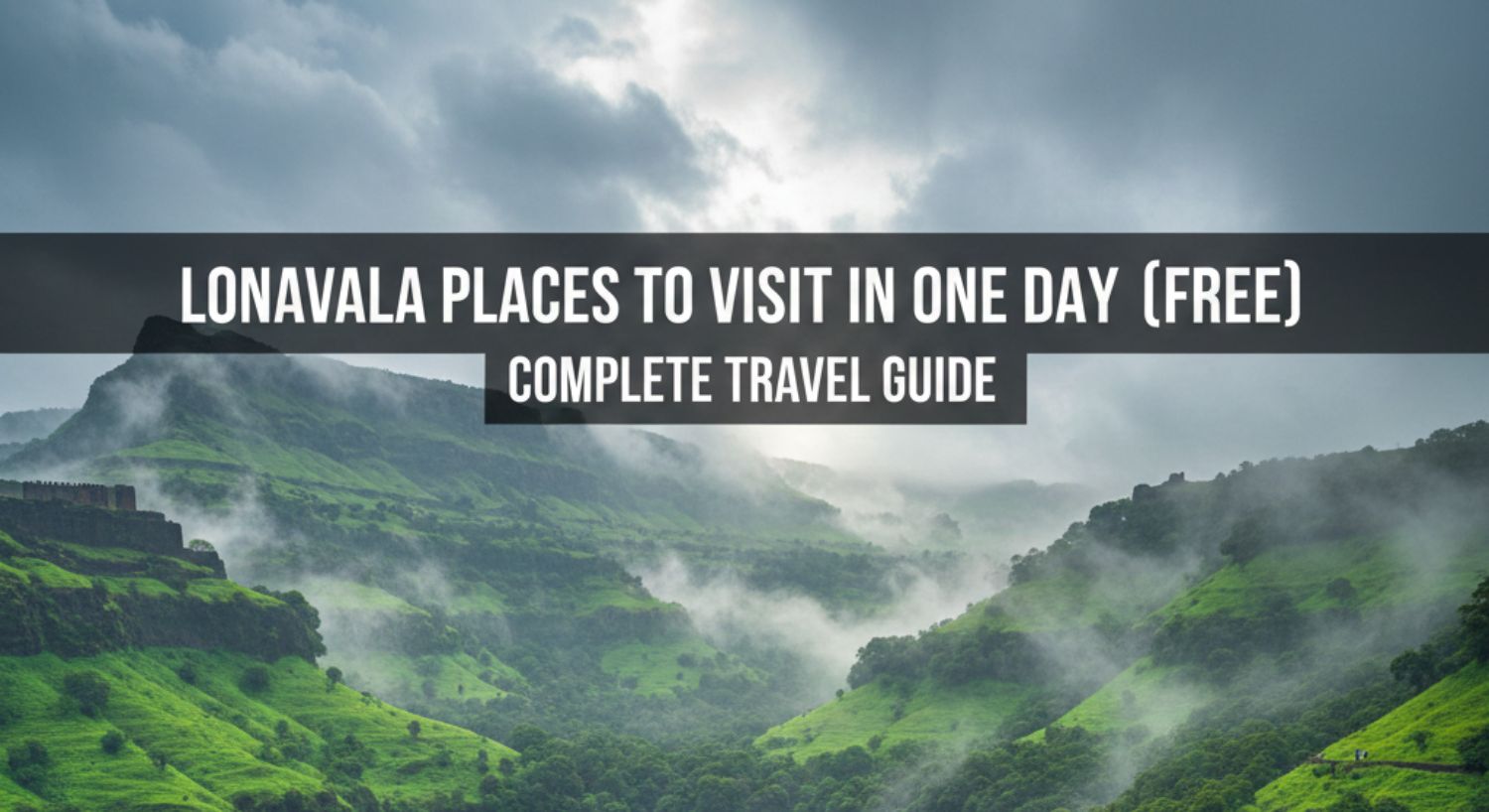
Mist curling over green hills, waterfalls sliding down rock faces, and cool wind rushing past your ears – for many travellers, that is the first memory of Lonavala. It is also what comes to mind when people start searching for Lonavala places to visit in one day free of cost. The best part: many of the most dramatic views, waterfalls, lakes, and forts here do not charge a single rupee to enter.
Planning a one‑day trip, though, can feel tiring before the car even starts. There are so many viewpoints, dams, caves, and markets that it is easy to waste time in traffic or keep visiting the same type of spot. Add a family group or a gang of friends to the mix, and the wish to save money without cutting down on fun becomes even stronger.
Lonavala is perfect for this balance. There are many free tourist places in Lonavala, from famous points like Lion’s Point and Tiger’s Leap to quieter corners like Ryewood Park and Waghjai Devi Temple. With some smart planning, you can cover eight to ten attractions in one day, enjoy proper food, and still feel relaxed instead of rushed.
After many trips between Mumbai, Pune, and Lonavala – and after watching guests at Retrofusion plan their own routes – certain patterns become clear. A solid one‑day plan needs:
- A sensible order of stops
- Clear timing
- A comfortable retreat to return to when legs are tired and clothes are damp from monsoon showers
“Travel makes one modest; you see what a tiny place you occupy in the world.”
— Gustave Flaubert
By the end of this guide, you will find it easier to pick the best season, follow a realistic hour‑by‑hour itinerary, understand local transport and safety, and choose a stay that turns a simple day trip into a memorable mini‑break.
Key Takeaways
- This guide covers more than ten free Lonavala tourist attractions, including viewpoints, forts, lakes, parks, temples, and markets. With careful timing, a group can comfortably visit eight to ten of them in a single day.
- Monsoon (June–September) brings the strongest waterfalls and misty views, while winter (November–February) offers clear skies and pleasant treks. Summer means warmer days but fewer crowds and better deals on travel and stays.
- Starting from Mumbai or Pune around 6:00 AM usually means reaching Lonavala in time for breakfast and a full day of sightseeing. Most key spots lie within 5–20 km of town, so travel time between them is often just 15–40 minutes.
- A smart sequence is: parks and dams in the morning, forts or caves by late morning or early afternoon, viewpoints through the afternoon, and Sunset Point or Lonavala Market in the evening. This keeps backtracking and traffic delays low.
- With offline maps, packed snacks, and the right footwear, you can enjoy waterfalls, treks, and hilltop views without paying for guides or extras. At many spots, timing and safety matter more than money.
- Having a calm base such as Retrofusion’s villas in Lonavala adds comfort to the plan. Families and groups can freshen up midday, rest children or older parents, and easily stretch a one‑day trip into a relaxed weekend if they feel like it.
Best Time To Visit Lonavala For Free Sightseeing
Picking the right season makes a huge difference to how Lonavala feels. The same viewpoint can look wild and misty in August, clear and sharp in January, and sunny but peaceful in April. Since this guide focuses on free sightseeing, weather and crowd levels often matter more than anything else.
- Monsoon (June–September): Hills turn deep green, dozens of waterfalls appear around Lion’s Point, Tiger’s Leap, and along the roads, and Bhushi Dam becomes a giant outdoor stair‑shower. Temperatures hover around 20–25°C, but expect heavy rain, fog, and slippery rocks. Carry a light raincoat, quick‑dry clothes, non‑slip shoes, and waterproof covers for phones and wallets.
- Winter (November–February): Days stay pleasant at around 15–25°C, with clear skies and crisp views from most Lonavala viewpoints. This is the best time for longer treks to forts like Rajmachi and Tikona or for the climb to Karla Caves. Crowds are moderate, especially on weekdays.
- Summer (March–May): Daytime temperatures often touch 30–34°C. Waterfalls shrink, and greenery fades a bit, but the air is still cooler than Mumbai and Pune, especially at higher points. This season suits anyone looking for fewer crowds and smoother traffic.
No matter which season you choose, the day always feels better when there is a cool, spacious place to relax after sightseeing. A villa stay such as Retrofusion, with shaded outdoor areas and indoor comforts, turns a long day of free sightseeing into a trip that feels both active and restful.
Essential Planning Tips For Your One-Day Lonavala Trip
A successful Lonavala one day trip starts the night before. A little planning means more time at viewpoints and waterfalls and less time stuck in traffic or hunting for parking.
- Start Early: Leaving Mumbai or Pune around 6:00 AM usually gets you to Lonavala between 7:30 and 8:30 AM. That leaves time for breakfast in town or at your villa, followed by a relaxed first stop at Ryewood Park or a quick view of Lonavala Lake.
- Choose Your Transport:
- Train: Cheapest and reliable. From the station, hire auto‑rickshaws or a private cab for the day.
- Self‑drive car: Full freedom to follow your own Lonavala sightseeing plan; better for confident drivers comfortable with ghat roads and rain.
- Full‑day cab: Most relaxed option for larger groups; everyone can enjoy the views and nap between stops.
- Parking Costs: Most free tourist places in Lonavala – Bhushi Dam, Lion’s Point, Tiger’s Leap, Rajmachi Point – charge about ₹50–100 for car parking, less for two‑wheelers.
- Time Estimates:
- Viewpoints (Lion’s Point, Tiger’s Leap, Sunset Point): 30–45 minutes each
- Dams and lakes (Bhushi Dam, Pawna Lake): 45–60 minutes
- Forts and caves (Rajmachi, Tikona, Karla): 1.5–3 hours depending on trek length
Pack comfortable shoes with grip, at least one bottle of water per person, dry snacks, a basic first‑aid pouch, rainwear in monsoon, power banks, offline maps, and some cash for parking and food. During long weekends, book accommodation early – villas like Retrofusion fill up fast when rain and holidays collide.
Spectacular Free Viewpoints Offering Panoramic Vistas
Viewpoints are the heart of any Lonavala hill station visit. Scattered across the Sahyadri ridges, they offer sweeping scenes of valleys, waterfalls, forts, and distant lakes – often with strong, cool winds for company. Most are completely free to enter, which is ideal for budget‑friendly trips.
Lion’s Point: Lonavala’s Crown Jewel
Lion’s Point, between Bhushi Dam and Aamby Valley, sits about 12 km from Lonavala Railway Station. On clear days, hills roll away in every direction, and valleys stretch out far below.
In monsoon, Lion’s Point turns into a natural theatre: dozens of thin waterfalls slide down opposite cliffs, low clouds drift past at eye level, and the famous Shiv‑ling shaped peak stands clearly to the left. Sunrise and sunset both look stunning here.
Small food stalls serve roasted corn, pakoras, and steaming chai, making this a great stop for a mid‑morning or late‑afternoon break. Entry is free, and the point is usually open from 6:00 AM to 6:00 PM. Spend 30–45 minutes and stay well away from cliff edges, especially when the ground is wet.
Tiger’s Leap: Where Nature’s Drama Unfolds
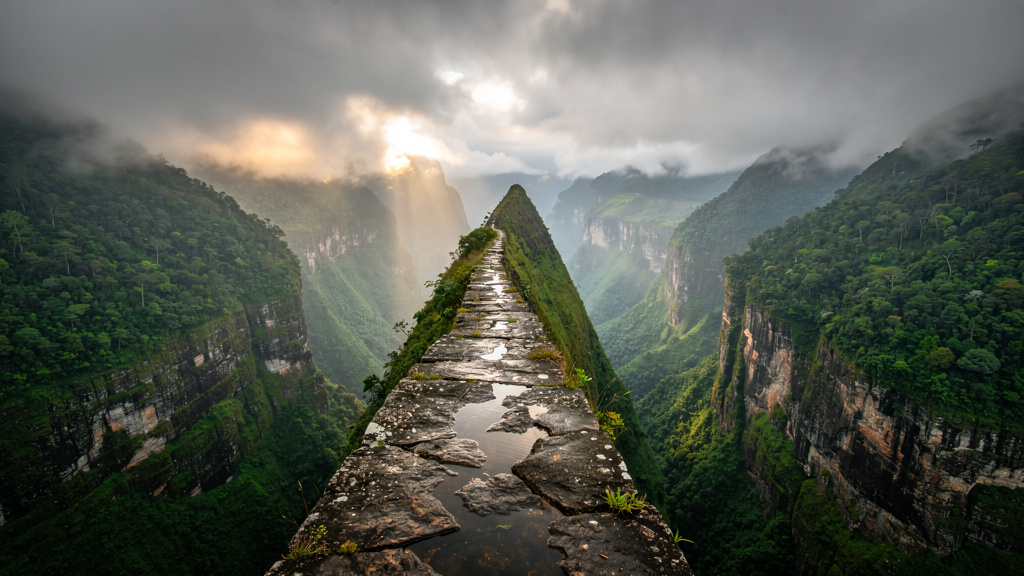
Very close to Lion’s Point lies Tiger’s Leap (Waghdari). The cliff bends forward, like a tiger ready to spring into the valley. The drop from the edge is over 650 metres, and even from a safe distance you can feel the height.
In the rainy season, fog swirls in and out, hiding and then suddenly revealing deep green valleys. A seasonal waterfall forms near the point, with a small stream below where visitors can sit and cool off. Many people prefer this spot to Bhushi Dam for quieter water play.
Tiger’s Leap is about 12 km from the station, open from 6:00 AM to 6:00 PM, and free to enter. Plan 30–40 minutes and keep phones, hats, and loose items secure in the strong wind.
Rajmachi Point And Garden: Family-Friendly Panorama
Rajmachi Point, near Khandala on the Mumbai–Pune highway, lies about 6 km from Lonavala station. From here you can see Rajmachi Fort, deep valleys, seasonal waterfalls, and even the expressway below.
The attached garden, small temple, and children’s park make this spot ideal for families. While adults enjoy long‑range views towards Shooting Point and Kune Waterfall, children can safely run around inside the fenced park.
Entry is free, timings are roughly 6:00 AM to 6:00 PM, and 45–60 minutes is enough. Monkeys are common, so keep food out of sight and never tease them.
Duke’s Nose: The Adventurer’s Vantage Point
Duke’s Nose (Nagphani) rises sharply near Khandala and is a favourite with adventure lovers. The rock is named for its resemblance to the nose of the Duke of Wellington; the local name means “snake’s hood.”
You can reach the top via two main trekking routes that include rocky patches and forest tracks. The effort rewards you with wide views of valleys, train tracks, and nearby villages.
The summit has a broad flat rock where people can walk safely along the centre and look at sheer drops on either side. Adventure groups sometimes organise rock climbing and rappelling here. Entry is free, usually between 6:00 AM and 6:00 PM. Set aside 1.5–2 hours for the trek and time at the top.
Sunset Point: The Golden Hour Spectacle
As the name suggests, Sunset Point is all about the evening show. Not far from Waghjai Devi Temple, this spot gives an open view of the sun dipping behind layers of Sahyadri hills, with the sky shifting through orange, pink, and deep blue.
Because it is such a natural way to end a Lonavala day trip, weekends can be crowded. Reach at least 30 minutes before sundown to find a good place to sit. Entry is free, and food stalls nearby serve tea and snacks.
Majestic Historical Forts With Free Or Minimal Entry
The forts around Lonavala tell stories of Maratha strength, trade routes, and hill warfare. Built along the Sahyadri ridges, they guarded important passes and watched over plains and ports. Today, they offer a mix of history and rewarding treks, most with free or very low entry fees.
Rajmachi Fort: A Free Historical Treasure
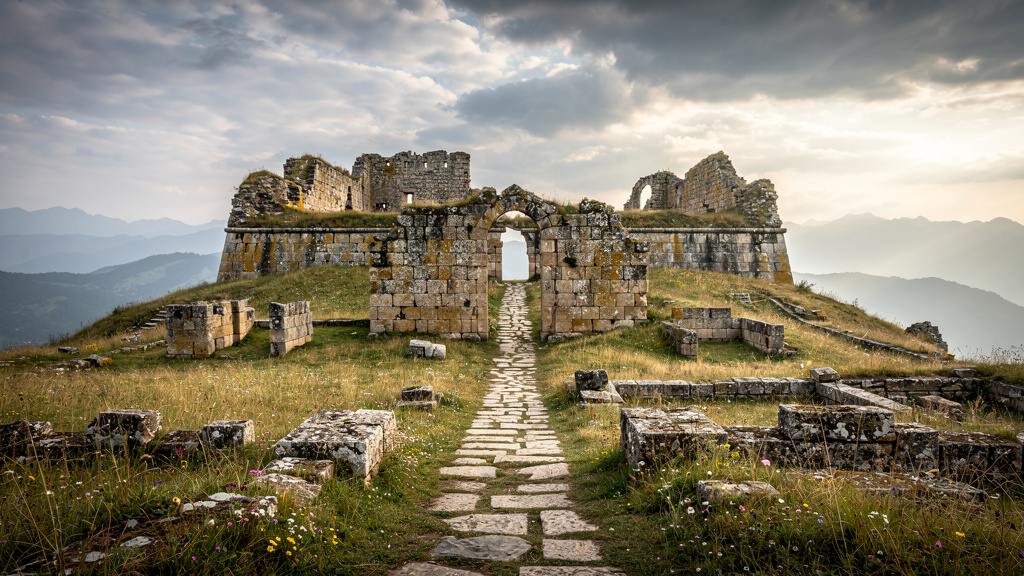
Rajmachi Fort sits on a large plateau above the old Bor Ghat route. It actually consists of two citadels – Manaranjan Balekilla and Shriwardhan Balekilla – linked by a spread of ruins, paths, and viewpoints. On misty days, views stretch across Shitora Dam backwaters and deep valleys wrapped in cloud.
Inside, you can wander through gateways, stone walls, and ruins of old homes and storage spaces. The Kal Bhairava Temple between the two citadels is considered older than the fort itself, and several ancient water tanks still hold clean water even in dry months.
Nearby, the Kondana Caves – sixteen Buddhist rock‑cut caves – add another layer of history. Rajmachi Fort is open roughly 9:00 AM to 6:00 PM with no entry fee. It lies about 15 km from Lonavala station; most people hire a cab to the base village and then trek for 1–1.5 hours each way.
Tikona Fort: The Pyramid-Shaped Sentinel
Tikona Fort (Vitandgad) is easily recognised by its pyramid‑like shape. Rising above the Pawna region, it once formed part of a chain of forts that watched over the Konkan side of the Western Ghats. From the top, you can see Pawna Lake below and forts like Lohagad, Tung, and Visapur on other ridges.
The trail passes ancient Satvahan caves, stone water tanks, and temples such as Trimbakeshwar Mahadev and Tuljadevi Mandir. Entry is free, but facilities are basic and there is no direct public bus to the base. Most visitors hire a car from Lonavala, Mumbai, or Pune, or take a train to Kamshet and then a shared vehicle to Tikona Peth village.
Allow 1.5–2 hours including the climb, time at the top, and photo breaks. Monsoon steps can be slippery, so wear shoes with good grip.
Lohagad Fort: A Premium Experience Worth The Nominal Fee
Lohagad Fort (“Iron Fort”) stands at about 1,033 metres and looks out over the Pavana region. It is famous for four grand gateways and the Vinchu Kata – a narrow extension of the fort walls that curves like a scorpion’s tail.
There is a small entry charge (around ₹25 for Indian citizens; higher for foreign visitors), with timings from 9:00 AM to 6:00 PM. A steady 30–45 minute climb brings you to the main fort area. History lovers often spend up to three or four hours exploring carvings, bastions, and ridge‑top views.
Serene Lakes And Dams: Lonavala’s Picturesque Waterscapes
Lakes and dams give Lonavala much of its cool, relaxed mood, especially when rain fills them and nearby streams start rushing again. These spots are perfect for picnics, quiet chats by the water, and gentle walks – usually without any entry fee.
Bhushi Dam: The Iconic Water Cascade
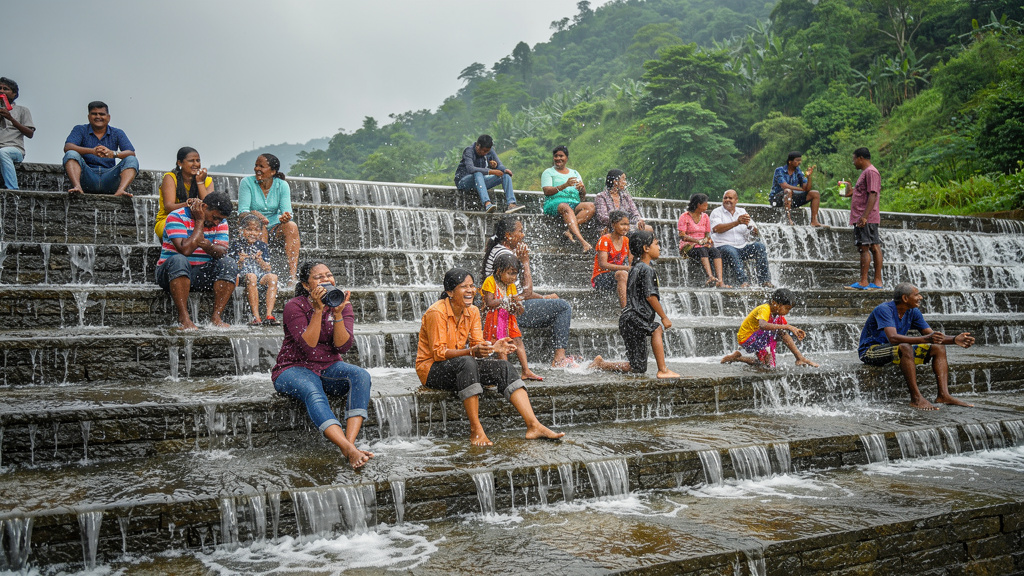
Bhushi Dam is one of the best‑known Lonavala tourist attractions. Built in the 1860s on the Indrayani River to supply water for steam engines, it is now a monsoon favourite.
The dam’s stepped design is its main charm. When the reservoir overflows, sheets of water pour down broad stone steps. Families and groups sit on the steps, letting water rush around their legs, laughing as the spray hits their faces – like a natural open‑air water park.
Crowds can be heavy on weekends and holidays, so weekday mornings are more pleasant. Swimming is banned due to past accidents, and police keep a close watch. Wear non‑slip footwear, avoid heavy bags on the wet steps, and keep phones in waterproof pouches.
Bhushi Dam is about 6 km from Lonavala station, open roughly 9:00 AM to 5:00 PM, and free to enter. Plan 45–60 minutes, and carry a towel and spare clothes if you plan to get wet.
Pawna Lake: Tranquil Beauty And Adventure Hub
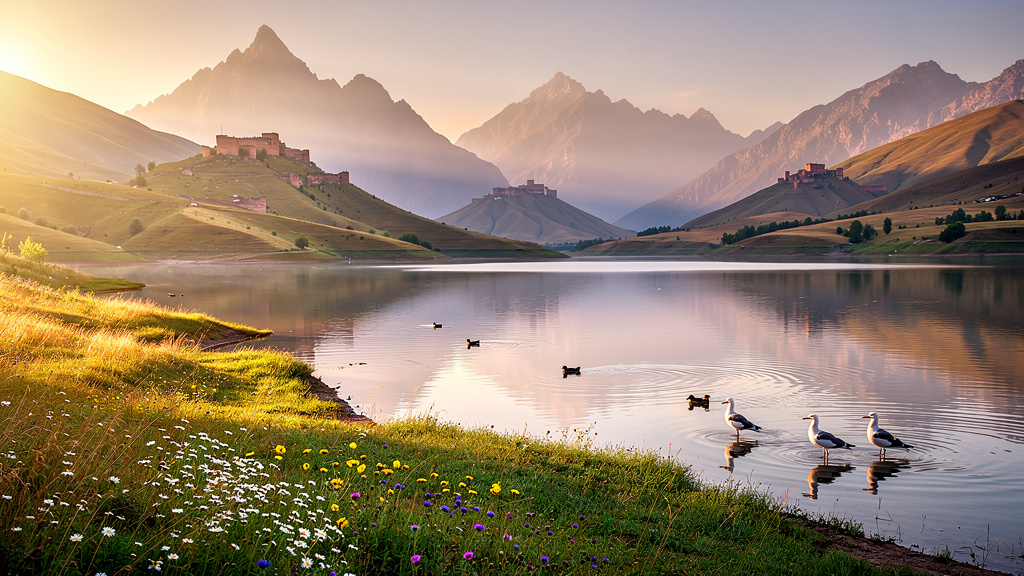
Pawna Lake is a wide reservoir formed by the Pawna Dam, supplying water to the Pimpri–Chinchwad region. The setting is picture‑perfect, with calm water in front and forts like Tung, Lohagad, Visapur, and Tikona forming a ring on the horizon.
Nature lovers enjoy the mix of open fields, plants, and birdlife. Between June and August, many migratory birds visit, so a basic pair of binoculars can turn a walk into a low‑cost birdwatching session. For a free experience, simply sit by the shore, walk along the edge, and click photos as the light changes.
Paid activities like camping, boating, and seasonal paragliding are also available through local operators, but the general lake area itself is free to visit. Plan 1–1.5 hours here and avoid wading too far into the water – depths can change suddenly.
Lonavala Lake: A Distant View
Lonavala Lake (sometimes called Lonavala–Khandala Lake) lies close to town but offers limited direct access. The shore is closed, so visitors usually stop briefly by the roadside to take photos from a distance. In the right season, the nearby Lonavala Lake Waterfall adds a nice touch. Think of this as a quick photo break while heading towards other spots.
Ancient Rock-Cut Caves: Stepping Back In Time
Karla Caves: India’s Most Magnificent Chaitya
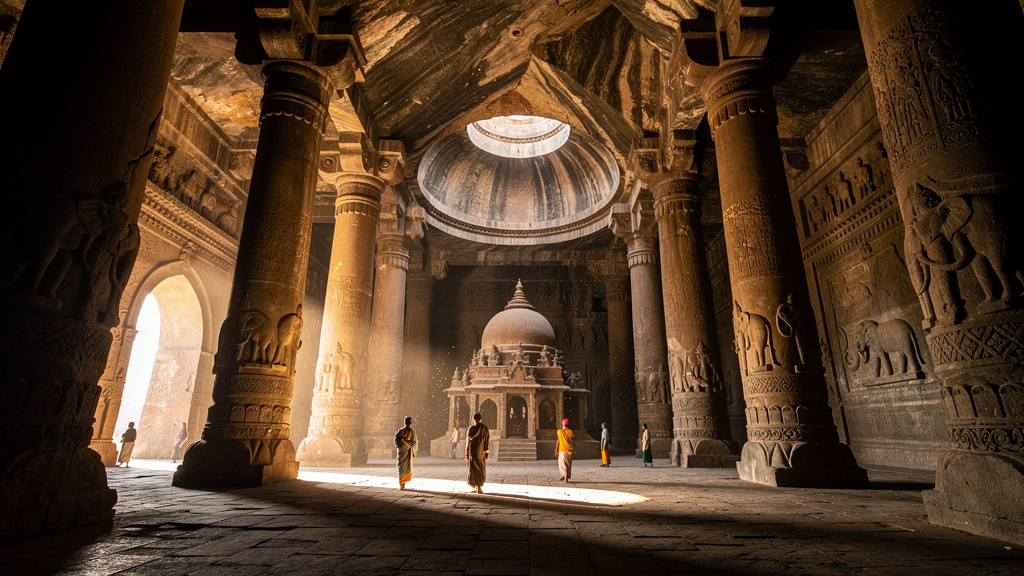
Karla Caves are among the most important early Buddhist rock‑cut cave groups in India. Protected by the Archaeological Survey of India and dating back to around the 2nd century BC, they give a strong sense of how monks lived, prayed, and taught on these hills centuries ago.
The highlight is the Great Chaitya (Cave No. 8), one of the largest and best‑preserved chaitya halls in the country. Walking in feels like entering a stone cathedral, with tall pillars, a rounded roof, and a stupa at the far end. Light filters in through a large horseshoe‑shaped opening, casting soft shadows on carved walls.
Carvings of human and animal figures, including elephants and riders, show both religious themes and daily life from that time. Reaching the caves involves climbing roughly 200–350 steps, with stalls and shaded areas along the way. Take it slow in hot or humid weather, especially if you have knee or breathing issues.
Entry costs around ₹5 per Indian visitor, with timings from 9:00 AM to 5:00 PM. Plan 1–1.5 hours including the climb and time inside.
Waghjai Devi Temple: Spiritual Serenity With Valley Views
Waghjai Devi Temple offers a peaceful pause in the middle of busy sightseeing. Dedicated to Goddess Waghjai and close to Rajmachi Garden, it is an everyday place of worship for locals and especially lively during Navaratri.
Behind the temple, a quiet viewpoint opens to a broad valley view, giving a mix of devotion and nature in one short stop. Entry and parking are free; 20–30 minutes is enough to sit, pray, and enjoy the scene.
Tranquil Green Spaces: Ryewood Park
Ryewood Park is Lonavala’s soothing green corner – right near the main market, yet far from noise. Spread over about 25 acres, it began as a botanical garden and still feels like one.
Tall, old trees throw deep shade across lawns and walking paths. There is plenty of open space where children can play, while adults enjoy slow walks or quiet time on benches. A small Shiva Temple inside the park adds to the calm.
Ryewood Park is about half a kilometre from Lonavala Railway Station, usually open from 8:00 AM to 5:00 PM, with no entry fee. Plan 30–45 minutes to stretch, breathe, and reset between more tiring stops like forts and caves.
Experiencing Local Culture: Lonavala Market
Lonavala Market is where the hill station’s flavours and sounds come together. In the late afternoon and evening, the lanes fill with people browsing, chatting, and tasting local snacks. After hours at viewpoints and forts, walking through the market brings back the human side of the trip.
The market is famous for its chikki – traditional sweets made from nuts and jaggery. You will find peanut, cashew, dry fruit, sesame, and chocolate chikki, plus soft fudges in many flavours. Most shops offer small samples, making it fun to pick favourites for gifts or tea‑time at home.
Street food is another highlight:
- Samosa chaat with tangy chutneys
- Crunchy bhel puri
- Hot vada pav
- Cutting chai in small glasses
Prices are usually friendly, so you can eat well without stretching your budget. The colourful shop fronts, toy stalls, and fruit piles, along with the smell of fried snacks and spices, make this a great place for people‑watching.
Lonavala Market is close to the railway station, so it works well as the last stop before catching a train or starting the drive back. Visit between 5:00 PM and 7:00 PM for the liveliest atmosphere. Plan 30–45 minutes for browsing, tasting, and shopping.
Sample One-Day Itinerary: Maximising Your Free Lonavala Experience
With so many free places in Lonavala, it helps to see how they fit into one realistic day. Here is a sample plan you can follow or tweak:
- 6:00–8:00 AM – Travel To Lonavala
Leave Mumbai or Pune by car, cab, or early train. Reach around 8:00 AM. Have breakfast near the station, on the highway, or at your stay (for example, Retrofusion). - 8:00–9:30 AM – Ryewood Park
Start gently with a walk and some fresh air under tall trees. Children can run around; older family members can sit and relax. - 9:30–10:30 AM – Bhushi Dam
Head to Bhushi Dam before crowds peak. Enjoy the water flowing over the steps with basic safety in mind. Change into dry clothes if needed and grab a quick snack. - 10:30 AM–12:00 PM – Rajmachi Side
- Fit group: start early for the Rajmachi Fort trek and focus the rest of the day around that area.
- Relaxed option: visit Waghjai Devi Temple and Rajmachi Point And Garden instead.
- 12:00–1:00 PM – Lunch And Lonavala Market
Return towards town for lunch. Walk through Lonavala Market, taste chikki and fudge, and buy gifts. - 1:00–1:45 PM – Rajmachi Point And Garden
If not done earlier, enjoy the view and the children’s park here. Good for a shaded break during the warmer part of the day. - 1:45–2:45 PM – Lion’s Point
Drive up to Lion’s Point. Spend 30–45 minutes watching waterfalls and distant peaks with roasted corn and chai. - 2:45–3:30 PM – Tiger’s Leap
Move on to Tiger’s Leap next door. Take photos of the dramatic drop and, in season, enjoy the small waterfall and stream. - 3:30–5:00 PM – Choose One: Karla Caves Or Duke’s Nose
Culture lovers can pick Karla Caves for rock‑cut history. Adventure seekers may prefer a trek to Duke’s Nose. Avoid trying to squeeze both. - 5:00–6:00 PM – Sunset Point
End at Sunset Point. Arrive early to find a good spot, then watch the sun slide behind the hills. After that, either drive back or return to your stay, such as Retrofusion, to relax.
In monsoon, lean more towards waterfalls, dams, and viewpoints. In winter, you can give extra time to forts like Rajmachi, Tikona, and Lohagad. Families with small children may skip longer treks and spend more time at Ryewood Park and the market instead.
Where To Stay: Make Your Lonavala Experience Better With Retrofusion
A one‑day trip to Lonavala can be done as a straight there‑and‑back outing. But anyone who has managed ten people, wet clothes, tired legs, and hungry faces in a small car knows how helpful a peaceful base can be.
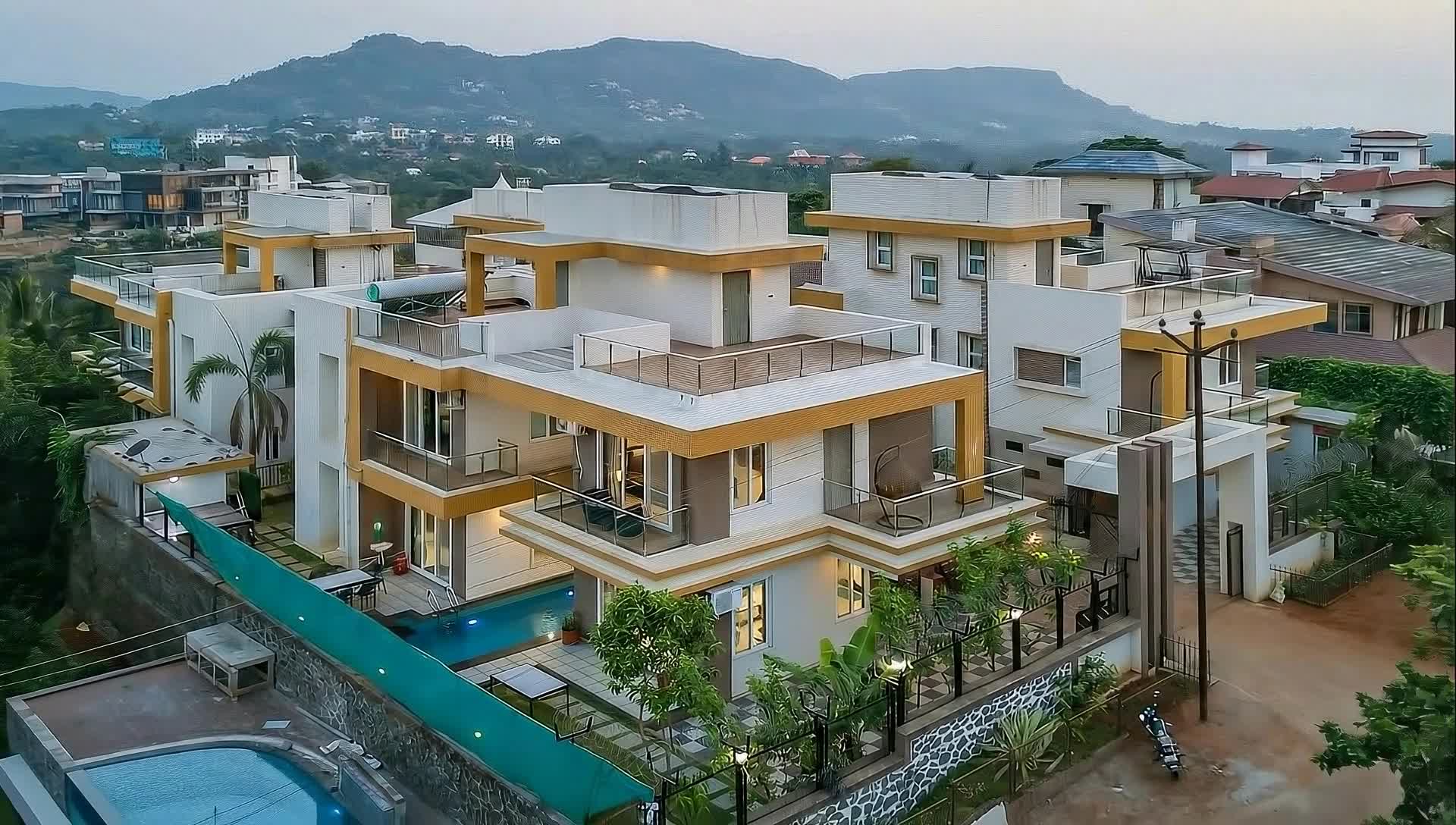
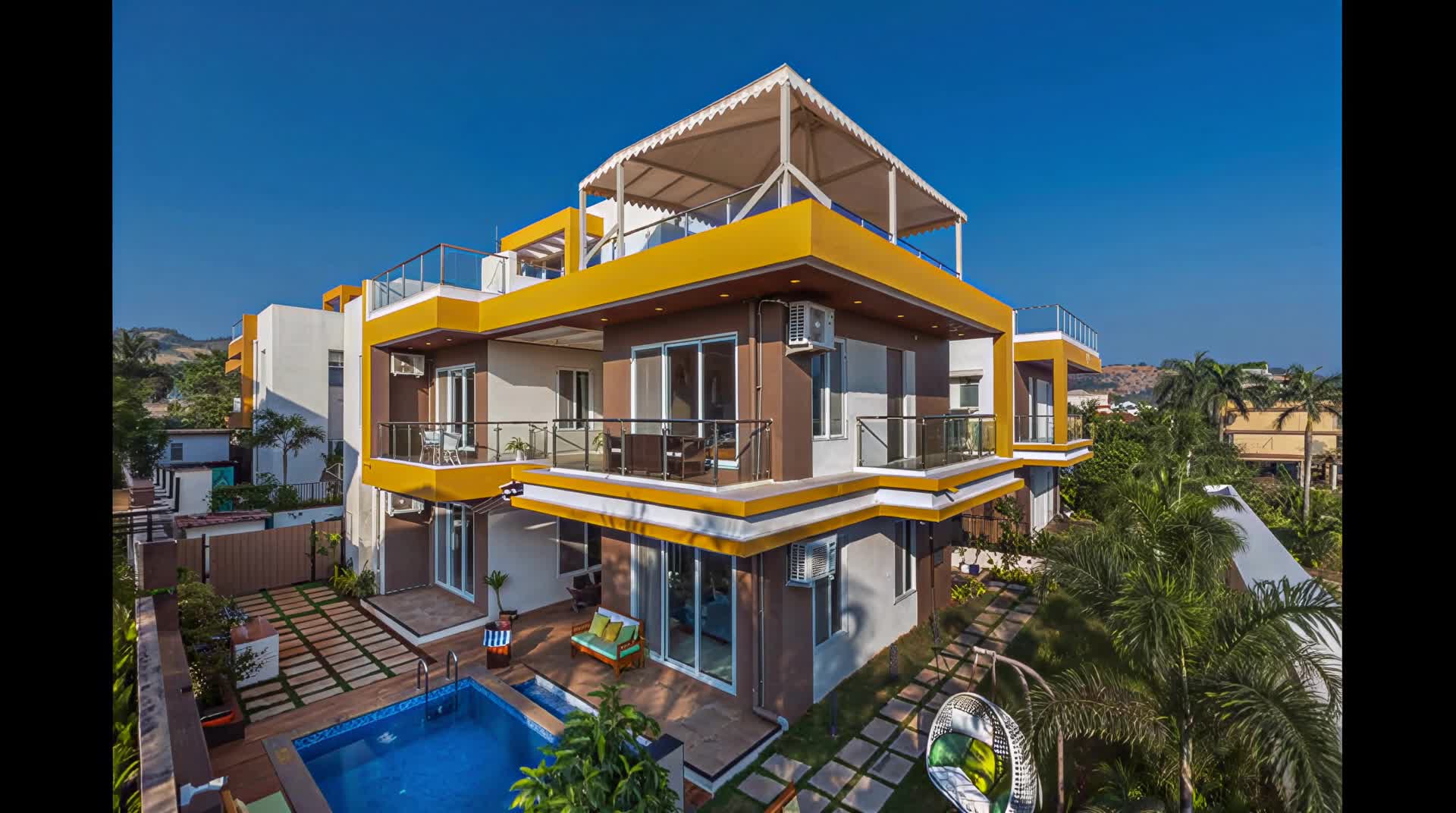
Retrofusion offers that kind of base in Lonavala. Instead of standard hotel rooms, it brings two carefully designed 4 BHK villas – Retro Villa and Neo Retro Villa – that mix vintage charm with modern comfort. Each home can host around 8–12 guests, which suits big families, groups of friends, corporate teams, and NRI families meeting after years.
After a full day of visiting Lonavala viewpoints and forts, guests can sink into a private plunge pool, relax in a jacuzzi, or unwind in a steam bath. Themed bedrooms give everyone their own cosy nook, while a 55″ HDTV, board games, and a small library keep evenings lively.
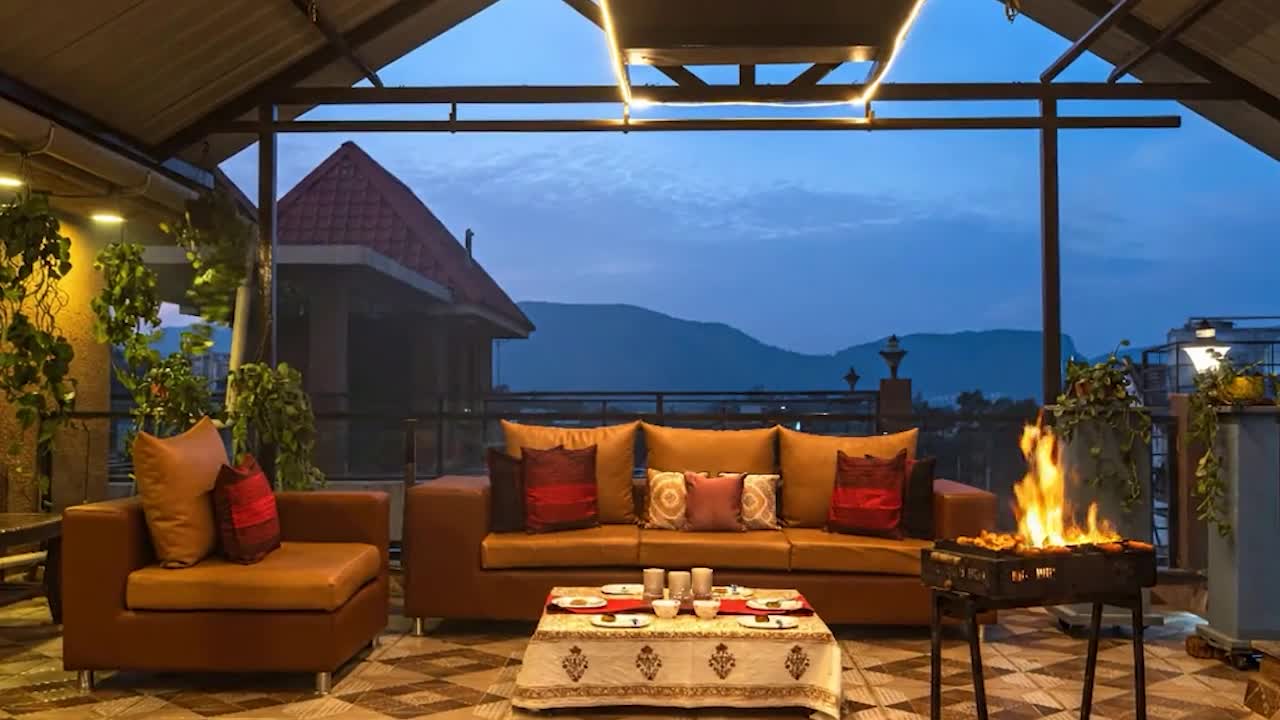
Outdoor patios with seating and BBQ grills are ideal for birthday dinners, long conversations, or quiet tea sessions with hill views. Neo Retro Villa sits about 400 metres from Radisson Resort & Spa, giving you a premium neighbourhood while still enjoying the privacy of a standalone villa.
Retrofusion is founded by artist Ruchi Arora, and the villas feature original artworks and thoughtful décor. Many guests say it feels like staying in a cross between an art gallery and a warm home – a space that makes you want to read, sketch, or simply watch the light change over the hills.
Pets are welcome, in‑house chefs prepare homely meals, and the location makes it easy to drive to popular spots like Lion’s Point, Bhushi Dam, Karla Caves, and Pawna Lake. Booking is simple through the website, WhatsApp, email, or phone, with a straightforward three‑step confirmation.
Practical Tips For Budget-Friendly Lonavala Travel
Lonavala budget travel does not mean cutting down on comfort or skipping good food. With a few smart choices, you can reduce costs while still enjoying the best places with friends and family.
- Transport:
- Use local trains from Mumbai or Pune for the cheapest travel.
- In Lonavala, hire a cab for the day and split the cost across your group.
- Self‑drive cars work well for groups that enjoy driving and want full control of timing.
- Food:
- Carry packed breakfast from home or your villa to avoid rushed, pricey early‑morning stops.
- Prefer local eateries and simple thali places over fancy restaurants near major points.
- Use the market area for filling snacks like bhel, vada pav, and chai.
- Timing:
- Weekdays usually mean lower transport charges and lighter crowds.
- Starting early helps you finish key attractions before peak heat, which also cuts down impulse spending on soft drinks.
- Smart Packing:
- Use reusable water bottles instead of buying plastic bottles all day.
- Carry a basic first‑aid kit and any medicines from home.
- Bring your own raincoat or umbrella in monsoon.
“Take only memories, leave only footprints.”
— Chief Seattle
Group travel itself saves money. Sharing cabs, splitting snack boxes, and booking one big villa like Retrofusion instead of many hotel rooms all reduce per‑person cost, while still keeping the trip comfortable.
Safety Considerations For Your Lonavala Trip
Lonavala is generally welcoming and safe, but hills, cliffs, and fast water always call for some extra care.
- At Viewpoints (Lion’s Point, Tiger’s Leap, Duke’s Nose, Sunset Point):
- Keep a safe distance from edges; loose stones and sudden gusts can surprise you.
- Children should always stay within arm’s reach of an adult.
- Avoid climbing over barriers or standing on unstable rocks for photos.
- During Monsoon:
- Rocks grow moss and become slippery. Wear sports shoes with good grip, not flat sandals or heels.
- Strong winds at high points can affect balance; keep bags close to your body.
- Near Water (Bhushi Dam, Pawna Lake, Streams):
- Stay away from deep or fast‑flowing sections, even if you are a confident swimmer.
- Follow all instructions from police or guards at Bhushi Dam.
- Use footwear that covers toes and grips well to avoid cuts on stones.
- On Treks And Forts (Rajmachi, Tikona, Lohagad):
- Wear shoes that support your ankles and grip both rock and mud.
- Avoid trekking alone on remote routes; small groups are safer.
- Watch your step in tall grass and forest edges where snakes and insects live.
During heavy rain, avoid narrow trails that may be prone to small landslides or sudden water flow. Fog on roads can cut visibility quickly, so drivers should slow down, use proper lights, and avoid risky overtakes. Keep jewellery and expensive gadgets low‑key in crowded spots, and never feed monkeys near points or temples.
Save local emergency numbers on at least two phones, and share your rough day plan with someone who is not travelling. Simple habits like these keep Lonavala as a place of good memories instead of close calls.
Transportation Guide: Getting To And Around Lonavala
Good transport planning is the backbone of any Lonavala day trip itinerary. The town sits almost halfway between Mumbai and Pune, with easy options by train, road, and bus.
- From Mumbai:
- Train: Local and long‑distance trains from CSMT, Dadar, or Thane take about 2.5–3 hours, costing roughly ₹60–100 in second class.
- Car/Taxi: Driving via the Mumbai–Pune Expressway or old highway takes about 2–2.5 hours in normal traffic. One‑way taxis usually cost ₹2,500–3,500 depending on car type.
- Bus: State transport and private buses offer a mid‑range option, often charging ₹200–300.
- From Pune:
- Train: Trains from Pune Junction reach Lonavala in around 1.5–2 hours at ₹30–50.
- Car/Taxi: The drive via expressway or old highway takes about 1.5 hours. One‑way taxis often cost ₹1,500–2,000.
- Bus: State transport buses run frequently with fares around ₹100–150.
Within Lonavala, auto‑rickshaws handle short trips between the station, market, and nearby points. Always agree on a fare before starting. For a full day covering clusters of viewpoints, forts, and lakes, hiring a car with driver is usually the smoothest option (around ₹1,500–2,500 for 8–10 hours).
Self‑drive cars rented from Mumbai or Pune can work well if the driver is confident on ghat sections and in rain. Download offline maps beforehand, as signals can be weak near Pawna Lake, Rajmachi, or deep valley points.
Parking is available at most big attractions. Bhushi Dam, Lion’s Point, Tiger’s Leap, and Rajmachi Point usually charge about ₹20–30 for two‑wheelers and ₹50–100 for cars. Keep smaller notes handy for quick payments.
A quick comparison:
| Route | Mode | Time (approx.) | Cost (approx.) | Best For |
|---|---|---|---|---|
| Mumbai–Lonavala | Train | 2.5–3 hours | ₹60–100 | Budget and solo travellers |
| Mumbai–Lonavala | Car/Taxi | 2–2.5 hours | ₹2,500–3,500 one way | Groups wanting comfort and speed |
| Pune–Lonavala | Train | 1.5–2 hours | ₹30–50 | Quick, low‑cost trips |
| Pune–Lonavala | Car/Taxi | 1.5 hours | ₹1,500–2,000 one way | Families and corporate groups |
Photography Tips: Capturing Lonavala’s Beauty
Good photos keep a Lonavala weekend trip alive long after the drive back home. Modern smartphones are more than capable, if you use them thoughtfully.
- Best Time For Photos:
- Early morning (around 6:00–7:30 AM): soft light, thin crowds, misty hills.
- Late afternoon (around 5:30–6:30 PM): warm golden light at Sunset Point or Pawna Lake.
- Overcast monsoon days: dramatic skies at Lion’s Point, Tiger’s Leap, and Bhushi Dam without harsh shadows.
- Framing Ideas:
- At Lion’s Point, use wide‑angle mode to include waterfalls, valleys, and clouds; place people near the sides of the frame for scale.
- At Tiger’s Leap, shoot from an angle that shows both the curve of the cliff and the drop into the valley.
- At Bhushi Dam, use burst mode or short videos to capture flowing water over the steps.
- At forts like Rajmachi and Tikona, frame doorways, arches, and stone walls against wide sky.
- Simple Phone Tricks:
- Wipe the camera lens before important shots.
- Turn on grid lines to keep horizons straight.
- Tap to focus on the main subject, then lower brightness slightly if the sky looks too bright.
And every now and then, put the phone away and enjoy the view with your own eyes – some of the best memories never make it into a frame.
Conclusion
Lonavala has a gentle way of pleasing every kind of visitor. In one day, it can give you roaring water at Bhushi Dam, quiet stones at Karla Caves, airy heights at Lion’s Point, and homely flavours in Lonavala Market – most of it without heavy entry fees.
The key is planning well: pick the right season, start early, group nearby spots, and keep safety in mind. Carry snacks, water, good footwear, and use smart transport options to keep costs under control without cutting into the fun.
For many families and groups, the missing piece is a calm, spacious base where everyone can rest and share the day’s stories. Retrofusion’s villas in Lonavala provide that setting, turning a quick outing into a relaxed break that can easily stretch into a weekend.
With this guide in hand, planning Lonavala places to visit in one day free of entry fees becomes far less confusing. The hills, lakes, caves, and markets are waiting – all that remains is to pick a date, gather your group, and set the alarm for an early start.
FAQs
Can Lonavala be covered in one day on a low budget?
Yes. Many major attractions – Lion’s Point, Tiger’s Leap, Bhushi Dam, Rajmachi Fort, Pawna Lake, Ryewood Park, and Lonavala Market – are free to enter. Most of your spending will be on transport, food, and parking.
What is the best season for free tourist places in Lonavala?
Monsoon (June–September) is the most dramatic time for waterfalls and misty viewpoints. Winter (November–February) offers clearer skies and comfortable treks for forts and caves. Summer suits those who prefer fewer crowds and easier availability for hotels and villas.
Is it safe to visit Lonavala with children and older parents?
Yes, as long as basic care is taken near cliffs, steps, and water. Gentler spots like Ryewood Park, Lonavala Market, Rajmachi Point, and Waghjai Devi Temple work well for older parents. Children usually enjoy Bhushi Dam (with close supervision), parks, and viewpoints.
Do I need a guide for forts and caves?
Most forts and Karla Caves can be explored without a guide if you follow marked paths and basic safety rules. Reading short history notes online or on information boards at the site gives enough context. It is better to avoid unofficial guides who approach you in parking lots with unclear pricing.
Where should a large group stay for a comfortable trip?
Large families and groups often find it easier to book a single spacious villa instead of many separate hotel rooms. Retrofusion’s Retro Villa and Neo Retro Villa in Lonavala are designed for 8–12 guests, with private pools, jacuzzis, and shared living spaces that make it simple for everyone to stay together, relax, and plan sightseeing in comfort.