


The first sight of the Sahyadri Mountains near Lonavala feels a little like opening an old treasure chest. Ridges rise and fall like waves, clouds hover low, and on the highest spines sit ancient sentinels – the forts near Lonavala that once guarded trade routes and framed Maratha glory. These stone guardians now invite slow explorers, weekend trekkers, and history lovers to walk their routes instead of marching armies.
Perfectly placed between Mumbai and Pune, Lonavala has grown into a natural base for anyone keen on lonavala historical places. In a few hours, a family can leave the city behind, climb top spots to explore, and stand on bastions where lookouts once scanned the valleys. Each fort carries its own character – from the broad, welcoming steps of Lohagad to the sharp spike of Tung – and together they feel like an open-air museum of historic forts Lonavala.
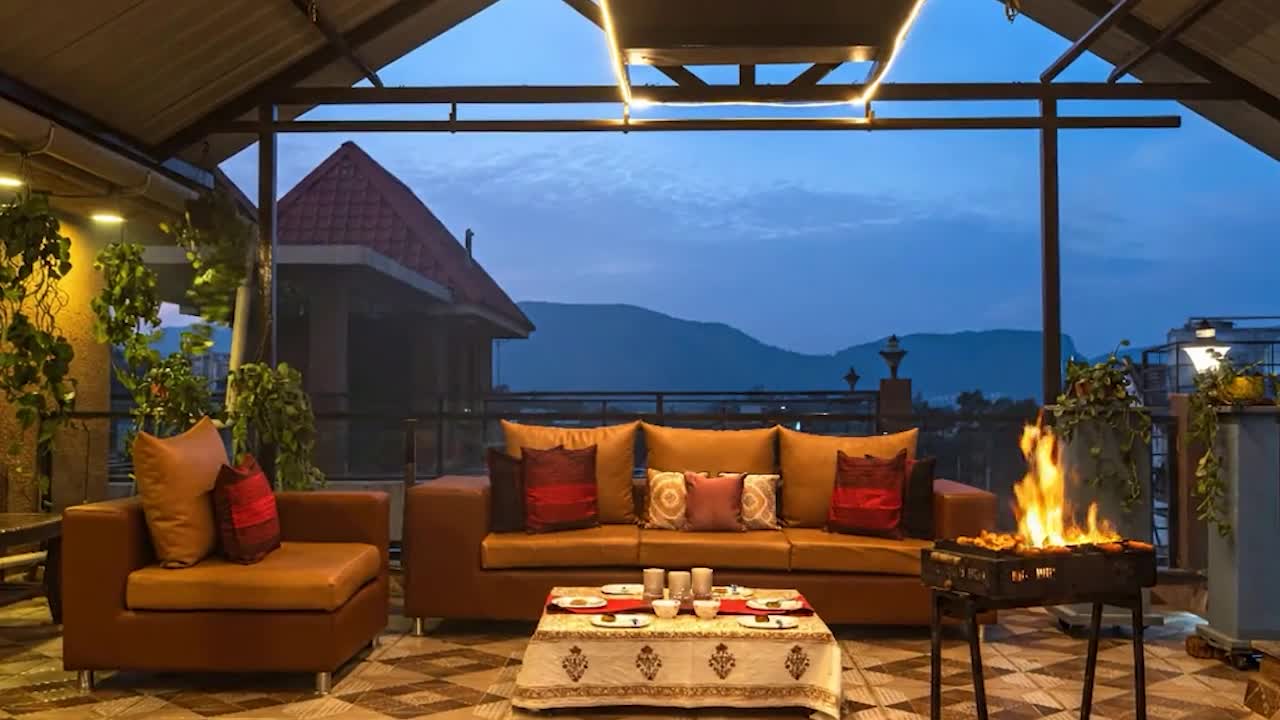
What makes the region even more special is how adventure and indulgence can sit side by side. Mornings can be about misty trails, old gateways and carved cisterns. Evenings can be about warm lighting, art on the walls, a private pool, and a slow dinner with people who matter. By the end of this guide, one can expect a clear sense of which forts to choose, the best seasons, how to prepare, and how a thoughtfully designed stay can turn a simple fort visit into a rich, lingering experience.
As many Sahyadri trek leaders like to say, “Walk slowly, look closely, and the forts will share more stories than any guidebook.”
Key Takeaways
Before diving into the details, it helps to see how the main pieces fit together. This quick snapshot brings the most important points into one place so it is easier to plan an upcoming escape around the forts near Lonavala.
- Six major forts near Lonavala offer very different moods. There are easy climbs like Lohagad and Korigad, moderate adventures like Tikona and Visapur, and sharper challenges such as Tung and the wider Rajmachi plateau.
- The best visiting window depends on priorities. Monsoon months bring lush green hills and flowing streams, while post-monsoon and winter months give crisp skies, clear views and drier paths that are kinder for families and beginners.
- Trek times range from about an hour for Korigad and Tikona up to three hours for Visapur or the steeper Rajmachi routes, so days can be shaped around comfort levels and group energy.
- Every fort has something special, from Lohagad’s famous Vinchu Kata ridge to Tikona’s triangular silhouette and Rajmachi’s twin citadels that spread across a huge plateau.
- Staying in Lonavala gives easy access to these forts to visit near Lonavala and lets visitors return to hot showers, good food and soft beds instead of long night drives.
- Good shoes, plenty of water and a gentle respect for these heritage sites go a long way in keeping the experience safe, easy and memorable.
To compare the main options at a glance, this quick table helps:
| Fort | Approx. Trek Time (One Way) | Difficulty Level | Standout Feature |
|---|---|---|---|
| Lohagad | ~2 hours | Easy–Moderate | Vinchu Kata ridge and broad stone steps |
| Visapur | 2.5–3 hours | Moderate | Long ramparts and monsoon waterfall route |
| Rajmachi | 3–4 hours (from Kondhane) | Moderate–Hard | Twin citadels and plateau village |
| Tikona | 1–1.5 hours | Easy–Moderate | Steep final steps and Pawna views |
| Tung | ~1 hour | Moderate–Hard | Needle-like peak above Pawna backwaters |
| Korigad | ~1 hour | Easy | Flat top and complete fort wall walk |
Lohagad Fort: The Legendary Iron Fortress
Lohagad Fort is often the first name that comes up when people talk about famous forts Lonavala. Its name means Iron Fort, a nod to the strength of its defences and the stubborn way it has clung to its hilltop at 1,033 metres. From its walls, the Pawna valley opens out like a painted scroll, with blue water, green slopes and distant peaks lining the horizon.
Historically, Lohagad sits at the heart of Maratha power. It was taken by Chhatrapati Shivaji Maharaj in 1648 and used as an important treasury, thanks to its grip over the Bor Ghat trade route. Under the Treaty of Purandar in 1665 it passed briefly to the Mughals, only for Shivaji to reclaim it in 1670. Later, Peshwa statesmen such as Nana Phadnavis used the fort as a safe store and retreat, leaving behind layers of stories in its stones.
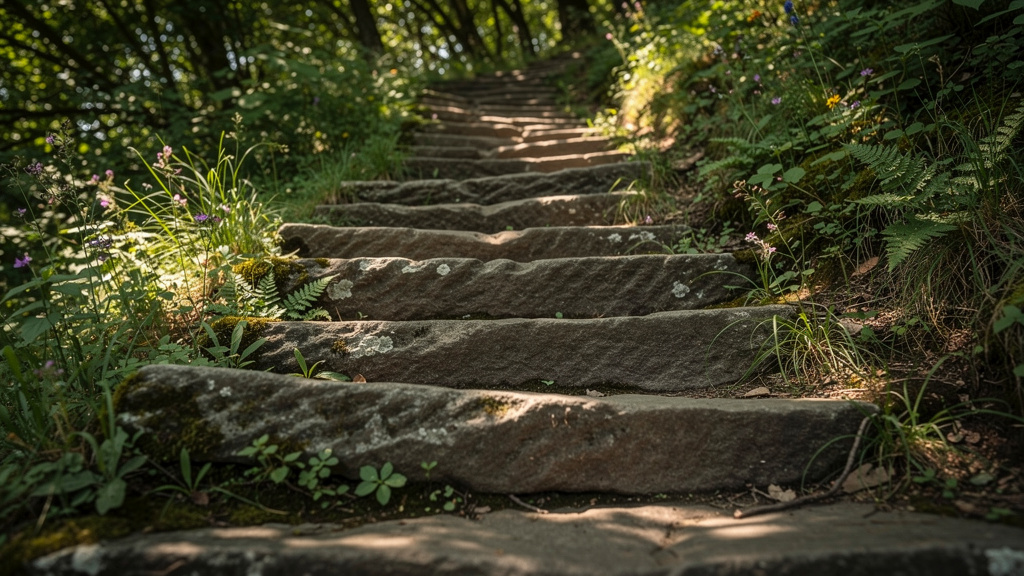
Architecturally, Lohagad is full of small delights. The fort stretches out in the famous Vinchu Kata ridge, shaped like a scorpion’s tail and running for about 1,500 metres. Four grand gateways guard the way up – Ganesh Darwaja, Narayan Darwaja, Hanuman Darwaja and the mighty Maha Darwaja. Inside, visitors find water tanks, old walls, a dargah, shrines and quiet corners that make it one of the most rewarding trekking forts Lonavala has to offer.
The approach from Lohagadwadi village is well marked and steady rather than harsh, which is why this is often suggested as a first choice among forts near Lonavala for new trekkers. In about two hours, most groups can reach the top at a relaxed pace, stopping for photos and tea. During the monsoon, small streams cross the steps, moss climbs the stones, and drifting mist wraps the bastions in an almost dreamlike curtain.
From the summit, the eye roams over Pawna Lake, the higher plateau of Visapur on one side and, in the distance, the ridges that hide Karla and Bhaja caves. For families and city groups planning lonavala fort exploration, Lohagad delivers strong views, a real sense of history and just the right level of challenge.
What Makes Lohagad Perfect For First-Time Fort Explorers
Lohagad works beautifully as a first taste of forts near Lonavala because it manages to feel both grand and gentle. The path from Lohagadwadi is simple to follow and most of the climb uses broad stone steps, which older children and active grandparents can manage with steady support. There are many places with natural shade where groups can rest, share snacks and enjoy the sight of the valley opening up below.
Local guides from the base village can walk along and bring the stones alive with stories of Shivaji Maharaj and Peshwa life. At the top, year-round water in the old cisterns and basic stalls during busy seasons help keep everyone comfortable. The total climb time of roughly two hours means one can explore bastions and the Vinchu Kata without feeling pressed for time. Paths on the main fort are relatively wide, so as long as children stay close to adults, first-time visitors can taste Maratha military architecture without dealing with very narrow ledges or exposed drops.
Visapur Fort: The Commanding Twin Sentinel
Across the valley and slightly higher than Lohagad stands Visapur Fort, its taller twin. This is one of the most striking hill forts near Lonavala, built during the early Peshwa era under Balaji Vishwanath as a strong watchtower and garrison. At about 1,084 metres, it commands a sweeping view over Lohagad, Pawna Lake and the plains beyond.
Visapur is a little wilder than its sibling and better suited to those who want more adventure from lonavala fort exploration. The plateau at the top is broad and scattered with ruins. Visitors can wander past crumbling walls, rock-cut water tanks and the remains of what locals call the Peshwa’s palace. One of the most memorable sights is a huge carving of Hanuman, along with temples in Lonavala that reflect the spiritual side of this military outpost.
The climb itself takes around two and a half to three hours and offers two very distinct routes. The shorter, steeper way turns into a flowing waterfall during heavy monsoon showers, where trekkers quite literally walk up through running water. The longer forest route moves through trees and rocks, keeping things more moderate yet still exciting. Either way, this is a solid, moderate challenge among historic forts Lonavala can offer to friends’ groups and corporate teams.
Once on the top, walking along the long defensive walls becomes a highlight in itself. Bastions appear at intervals, each with its own view and angles of the surrounding countryside. Because Visapur is less busy than Lohagad, there are many quiet corners where one can sit in silence, hear only the wind and imagine watchmen scanning the valleys centuries ago.
The Monsoon Waterfall Trek Experience
During the monsoon, the direct route up Visapur turns into a rare treat for those who enjoy raw nature. The rocky trail becomes a clear water channel, and climbers often feel the cool flow around their ankles and calves as they move from rock to rock. Mist hangs low over the stones, and the sound of gushing water joins bird calls and distant thunder.
Good shoes with strong grip are absolutely essential here, and the route is best avoided on days of very heavy rain or lightning. It is wise to travel with local guides who know the lines that stay safer when water levels change quickly. For those who would rather keep things drier yet still see the monsoon greenery, the forest route remains a lovely alternative, turning Visapur into one of the most memorable forts near Lonavala for rain-loving trekkers.
Rajmachi Fort: The Royal Plateau Complex
Rajmachi sits deeper in the hills and feels like an entire world of its own. Instead of a single peak, it spreads across a broad plateau at around 2,710 feet, crowned by two citadels – Shrivardhan and Manaranjan. For anyone keen on ancient forts near Lonavala, this complex stands out as a place where history, villages and wild nature still live side by side.
The fort guarded the important Bor Ghat trade route, giving it high value during the time of Shivaji Maharaj and beyond. Thick ramparts, strong gateways, rock-cut reservoirs and even secret exits tell a clear story of a fort built to hold out during long sieges. Between the twin peaks lies the small village of Udhewadi, and on the plateau sits the old temples in the region, where local worship still continues.
There are two main ways to reach Rajmachi, each suiting a different kind of explorer within lonavala fort tourism. From Kondhane village, a tougher three to four hour climb passes through dense forest and by the lovely Kondhane caves. From Lonavala side, a long yet more gradual walk of about fifteen kilometres follows a rough track that many people love during monsoon for its streams and soft mud.
Both Shrivardhan and Manaranjan offer different faces of the same world. Shrivardhan, the taller citadel, opens up wide views over Duke’s Nose and the valleys that lie beyond the highway below. Manaranjan feels quieter and more introspective, with views that catch layers of hills fading into the haze. In pre-monsoon weeks, fields of fireflies light up the night around Rajmachi, turning it into an almost fairy-tale setting for those planning a weekend fort visit Lonavala.
Why Rajmachi Deserves A Weekend Exploration
Rajmachi rewards time and patience far more than a rushed day trip. The plateau itself stretches widely, with old walls, water tanks, temples and village homes spread across it, so a slow walk can easily take several unhurried hours. Both citadels deserve individual climbs, and their sunrise and sunset scenes feel very different from each other.
Staying overnight nearby, whether camping under the stars or returning to a comfortable villa in Lonavala, allows the body to rest between climbs and gives space for quiet conversations under the night sky. Meeting the people of Udhewadi and seeing village life unfolding below such grand walls adds another layer to the visit. For those piecing together several forts near Lonavala into one trip, Rajmachi sits perfectly as the longer, deeper experience in the middle.
Tikona Fort: The Striking Triangular Wonder
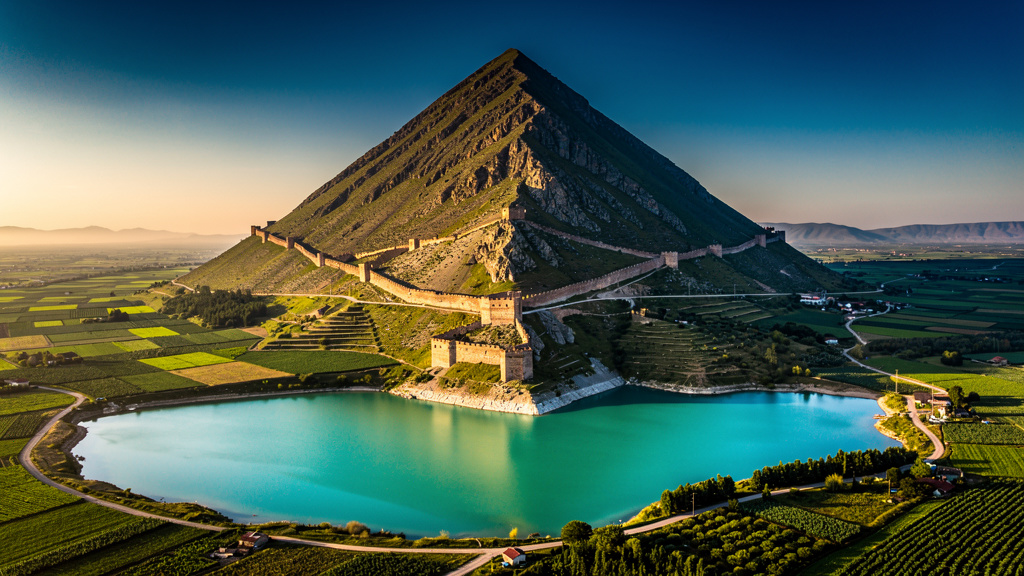
Seen from a distance, Tikona Fort looks like a bold triangle scratched into the sky. This sharp, pyramidal hill, also known as Vitandgad, rises to about 3,633 feet and offers one of the most rewarding shorter climbs among forts for trekking Lonavala. It once formed part of the Nizam Shahi defence network before being taken into Shivaji Maharaj’s fold, and its slopes still hint at that past.
The trek starts from Tikona Peth, a base village reached by a motorable road from the Pawna side. From there, a clear trail winds upwards through scrub and rock, reaching the fort top in roughly one to one and a half hours. The earlier sections are gentle enough for most active children, while the last part offers a good thrill with steep, rock-cut steps that rise almost straight upward. Safety rails or ropes on the sharpest sections help steady the climb.
At the top, Tikona opens up like a small, stony crown. A sturdy entrance gate stands watch, beyond which lie several rock-cut tanks that once stored water for the garrison. The temples in Lonavala rests quietly on the summit and remains a place where many visitors pause for a few moments of stillness. For those planning lonavala sightseeing forts with limited time, Tikona fits beautifully as a half-day trip.
The real reward comes with the view. From Tikona’s point, the Pawna Dam spreads out like a silver sheet below, and the sharp form of Tung rises boldly nearby. Across the water, Lohagad and Visapur line up on one side, with Korigad visible further away. For families and first-time trekkers, this mix of manageable effort, history and wide panoramas makes Tikona one of the finest forts near Lonavala to include on the list.
The Ancient Caves Of Tikona
Long before walls and gates crowned Tikona, the hill seems to have drawn seekers for quieter reasons. Near the top, a small complex of Buddhist and Satavahana-era caves hints at this past. Simple rock-cut chambers and niches suggest spaces where monks once sat in meditation, sheltered from wind and rain.
Their straightforward design, without heavy ornament, stands in gentle contrast to the more martial features of the later fort. In a single climb, it becomes possible to sense two different eras – one of spiritual practice and one of Maratha power. For culture lovers who value layered lonavala historical places, this quiet corner of Tikona adds depth far beyond the usual trek and selfie.
Tung Fort: The Dramatic Water-Surrounded Citadel
Tung Fort, often called Kathingad, looks like a needle rising straight out of the Pawna backwaters. At about 1,075 metres, its sharp, narrow peak and steep sides make it one of the most dramatic hill forts near Lonavala. On three sides, water curls around its base, giving the feeling of an island fortress.
Built under the Adil Shahi rulers and later used by Shivaji Maharaj as a lookout, Tung was never meant to host a huge army. Instead, it worked as a watchpoint, passing signals to larger neighbours such as Lohagad and Visapur. The remains of bastions, walls and a small temple still cling to the summit ridge, bearing quiet witness to those duties.
A big part of Tung’s charm lies in the approach. Many visitors take a short boat ride on Pawna Lake to reach Tungi village, turning the outing into a mix of water and hill. From the base, the path climbs sharply over about four hundred metres of height gain, often on narrow, grassy ridges with steep drops on either side. The ascent takes around an hour but calls for focus, good fitness and calm nerves.
From the very top, the reward is pure theatre. Tikona, Korigad, Lohagad and Visapur ring the horizon, while the Pawna reservoir lies far below, catching changes in light through the day. For seasoned trekkers and corporate adventure groups who want a sharper test among forts near Lonavala, Tung stands out as a vivid, high-adrenaline choice.
Korigad Fort: The Expansive Plateau Experience
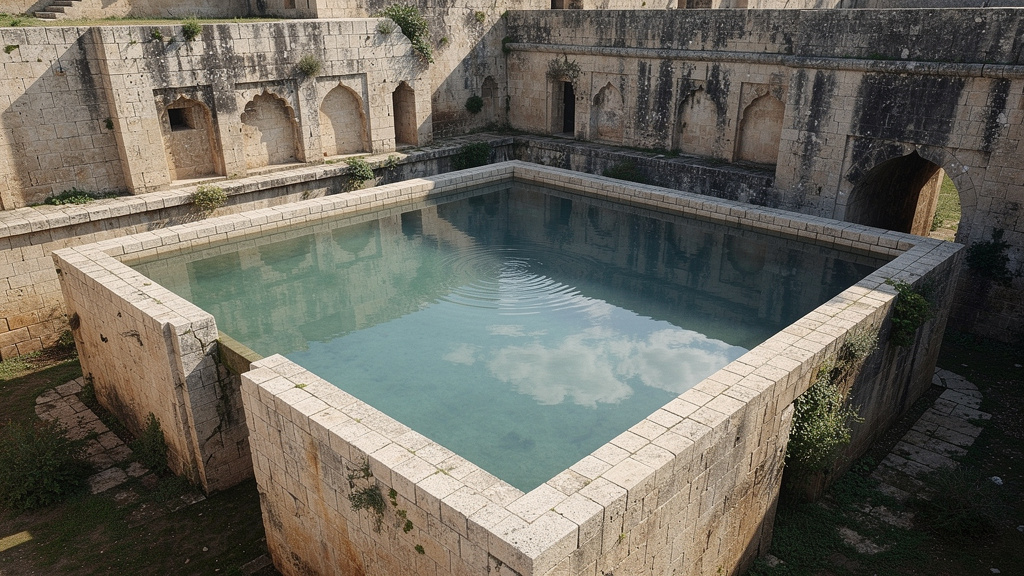
Korigad, close to Aamby Valley, feels kinder and more spacious than many other forts near Lonavala. Rising to about 929 metres, it is believed to be several centuries old and later joined Shivaji Maharaj’s network of hill forts. Today, it is cherished for its broad, flat top and nearly intact outer wall that invites long, easy walks.
The climb from Peth Shahapur village is one of the simplest in the region. About five hundred well-cut stone steps lead steadily upwards, with no very steep or exposed sections. Many families with children and older relatives choose Korigad as their first taste of heritage sites Lonavala, because the ascent usually feels more like a long staircase than a harsh trek.
At the top, the fort opens out into a two-kilometre plateau, dotted with sights. The temples near Lonavala houses a four-foot idol of Goddess Korai Devi, and six cannons rest on the walls, including the well-known Laxmi Toph. Two still lakes mirror the sky and nearby hills, especially pretty in the monsoon when they brim with fresh rainwater. A pair of small caves offer shade and a hint of the garrison’s routines.
The best part of Korigad for many visitors is the walk along the outer wall. In forty-five to sixty minutes, one can circle the fort and watch views shift from thick woods to green meadows and, finally, the planned streets and lights of Aamby Valley below. This gentle contrast between old stone and modern design makes Korigad a thoughtful stop for those exploring lonavala historical monuments with mixed-age groups.
Beyond The Main Six: Other Historic Forts Worth Exploring
Once the main six forts near Lonavala have been tasted, many visitors realise just how rich the wider region is in stone and story. Within a comfortable driving radius lie several more forts and cave complexes that can fill many weekends for keen explorers.
- Bedse Caves with their nearby fort remains offer quiet rock-cut halls and finely carved pillars. They are often far less crowded than better-known caves, which appeals to artists and photographers who need silence and time.
- Karnala Fort sits a little farther away but pairs beautifully with the surrounding bird sanctuary. The climb crosses forest trails alive with calls, and the ruined bastions on top look out over rolling hills.
- Prabalgad rewards those ready for a tougher hike above the Panvel belt, with old walls perched high above the plains and sweeping views towards Matheran’s cliffs.
- Sinhagad, closer to Pune yet often linked with lonavala historical places in wider plans, tells powerful stories from Maratha battles and offers strong fortifications alongside famous local food stalls.
- Names like Malhargad, Peb, Fort Bassein and Ratangad come up often when seasoned trekkers talk about their favourite circuits, each adding another layer to western Maharashtra’s fort heritage.
For those who fall in love with this world, it soon makes sense to plan longer stays and many returns, using Lonavala as a steady base for fresh discoveries each time.
Planning Your Fort Exploration: Seasonal Considerations
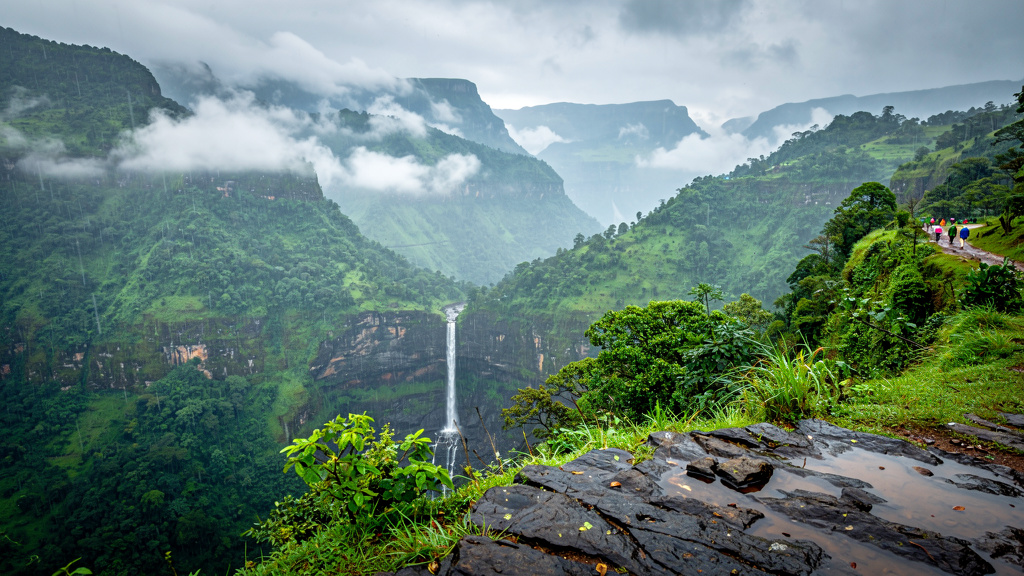
Weather shapes the entire experience of visiting forts near Lonavala, from trail safety to the colours in every photograph. Choosing the right season makes all the difference between a tiring trudge and a comfortable, uplifting day out.
From June to September, monsoon showers sweep over the Sahyadris and turn the hills deep green. Waterfalls ribbon down the cliffs, old stone steps gleam with moss, and clouds drift across bastions at waist height. It feels magical, yet also demands care, since paths can be slick and streams that seem playful at first can swell quickly.
From October to February, the same hills stay mostly green but the air turns cooler and clearer. Paths dry out, long views return, and many families find this the easiest time for monsoon trekking Lonavala forts veterans to bring along older parents or younger children. Summer months from March to May are usually hot and dusty, better left to very experienced walkers who start before sunrise and carry plenty of water. For most visitors, choosing monsoon for drama or winter for comfort is the simplest way to plan the best time to visit forts near Lonavala.
Essential Preparations For Your Fort Trekking Adventure
A little preparation goes a long way when planning walks to forts near Lonavala. These are not extreme climbs, yet they involve uneven stones, changing weather and often limited facilities on top, so a small checklist keeps things smooth.
As many outdoor guides like to remind people, “Good preparation happens at home, not halfway up the hill.”
- Footwear sits at the top of that list. Proper trekking shoes with deep grip keep feet steady on wet rock, loose soil and old steps. Casual trainers, sandals or floaters tend to slip more easily and can turn a pleasant day into a nervous one.
- Clothing should be light, quick to dry and kind to the skin. Full-length trousers protect against thorny bushes and insects, while a good rain jacket in monsoon or a light fleece in winter keeps chills away on windy ridges.
- Hydration and snacks matter more than many people realise. Carry at least two litres of water per person, along with nuts, fruit, energy bars or sandwiches so that energy does not crash halfway through a climb or descent.
- Navigation usually feels simple on popular routes, yet it is wise to keep a charged phone with offline maps and, on lesser-known trails, a local guide. Guides not only keep everyone on track but also add colour with stories and local details.
- Safety basics such as a small kit with bandages, pain relief spray, basic medicines, a torch, whistle and power bank fit easily into a comfortable backpack. Carry all rubbish back down again, treat walls and carvings gently and leave the forts as clean as, or cleaner than, they were on arrival.
Enhancing Your Fort Exploration With Luxury Accommodation
After a long day on stone steps and windy ridges, the kind of place one returns to can shape the memory of forts near Lonavala just as strongly as the climb itself. Hot water, calm spaces and good food help tired muscles and busy minds settle, turning a simple trek into a full experience that lingers.
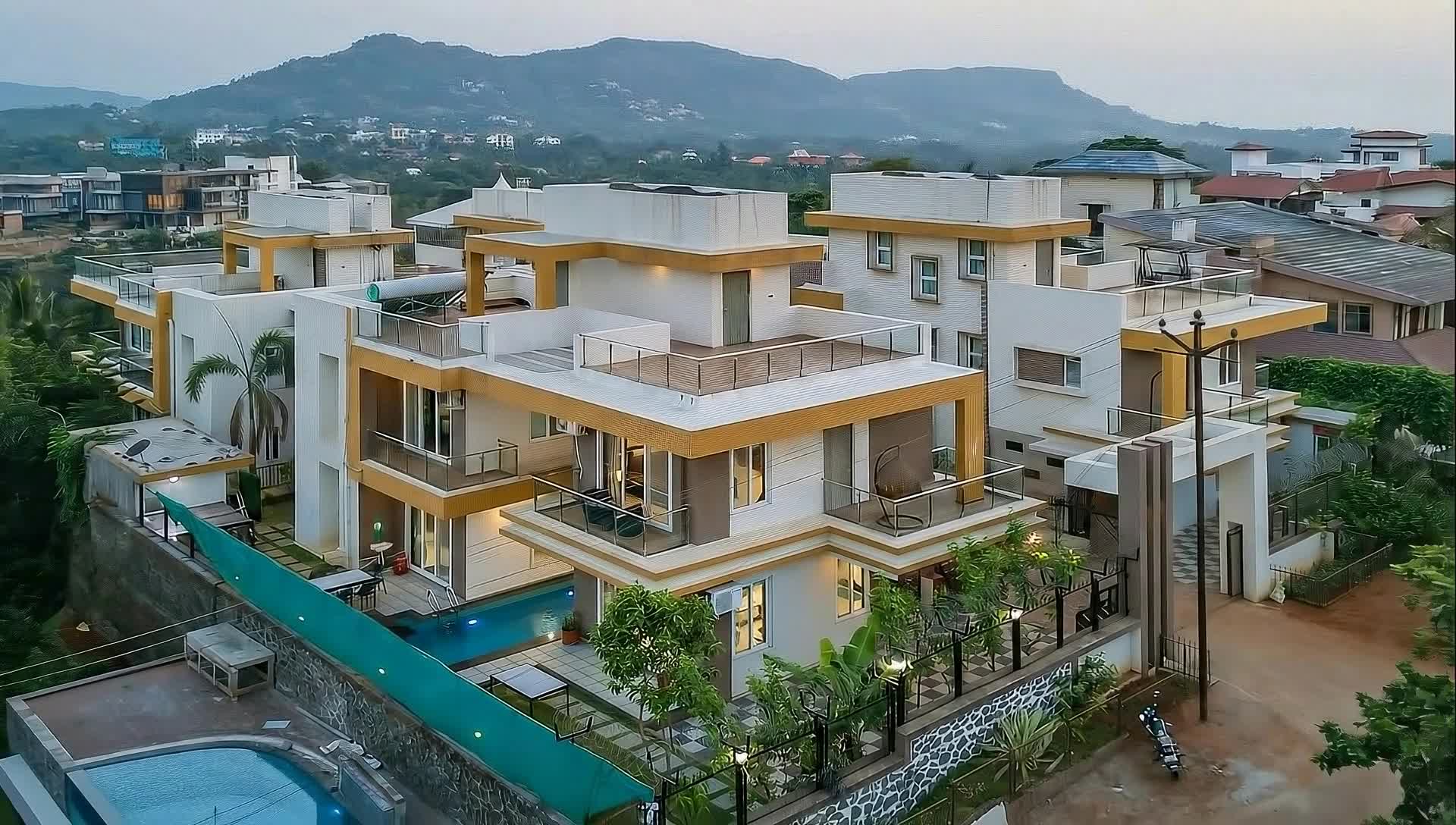
Retrofusion Boutique Homestay sits in Lonavala as a graceful base for such days of discovery. Its Neo Retro villas blend retro charm with modern comfort, giving groups private 4 BHK spaces with their own pools, jacuzzis and steam baths. A soak in a private plunge pool after conquering Lohagad or Tikona does more for recovery than any car ride through traffic ever could. The art-infused interiors, created under the eye of the founder Ruchi Arora, add inspiration for creative professionals who spend their mornings on fort walls and their evenings sketching or planning new work.
For families, NRI reunions, corporate teams and large friend circles, Retrofusion brings together privacy, service and warmth under one roof. In-house cooks prepare generous homemade meals, removing the need to drag tired legs out to vegetarian restaurants after treks. A pet-friendly approach means dogs can nap by the pool while people trade stories of lonavala fort exploration under soft lighting. As a base for several days of fort visits, Retrofusion turns heritage outings into relaxed, luxurious retreats.
Conclusion
The forts near Lonavala open a window into a time when these hills decided the fate of trade routes and kingdoms. From the solid welcome of Lohagad and Korigad to the sharp climbs of Tung and the wide reaches of Rajmachi, each fort carries its own tale, its own views and its own rhythm underfoot. Together, they form a living gallery of Maratha planning and stonework, still very much alive in daily village life and quiet temples.
There is space here for almost every kind of traveller. Children taking their first careful steps on ancient stairs, photographers chasing monsoon clouds, or colleagues testing their comfort zones on narrow ridges all find something that stays with them. With the right season, basic preparation and a restful stay at a refined place such as Retrofusion Boutique Homestay, these outings become more than day trips. They turn into strings of shared memories where history meets comfort, and where one can stand on old walls by morning and sink into warm water and soft cushions by night.
FAQs
Question 1: Which Fort Near Lonavala Is Easiest For Beginners And Families?
For most beginners, Korigad is the gentlest option, with about five hundred steps and a roomy plateau to explore. Lohagad comes close behind, thanks to its clear trail and steady gradient. Children above eight usually manage both comfortably with patient adults and enough rest stops.
Question 2: How Far Are These Forts From Mumbai And Pune?
Lonavala lies roughly eighty-three kilometres from Mumbai and around sixty-four kilometres from Pune by road. Most well-known forts sit within ten to twenty-five kilometres of the town, making them easy to reach as day trips. Lohagad is one of the closest, while Rajmachi feels slightly more tucked away.
Question 3: Is It Safe To Trek These Forts During Monsoon?
Monsoon treks to forts near Lonavala can be safe and delightful when handled with care. Good non-slip shoes, rainwear and a close eye on weather forecasts are very important. It is wiser to skip days with very heavy rain or storms and, on tougher routes like Visapur’s waterfall trail, to move only with experienced guides.
Question 4: Can I Visit Multiple Forts In One Day?
It is possible to combine nearby forts, such as Lohagad with Visapur or Tikona with Korigad, if the group is reasonably fit and starts early. However, rushing between too many sites can make everything feel like a checklist. Many visitors prefer to give each fort its own day, with relaxed climbs and time to soak in the views.
Question 5: Are There Accommodation Options Near The Forts?
Yes, Lonavala offers many places to stay, from simple lodges to premium villas. Retrofusion Boutique Homestay stands out for fort lovers, with spacious 4 BHK villas, private pools and an artful setting that feels perfect after active days outside. For Rajmachi in particular, some travellers also choose basic camping near Udhewadi for one night under the stars.