

First raindrops hit the Sahyadri cliffs, and Lonavala changes almost overnight. Dry browns soften into layers of rich green, cool mist rolls across the valleys, and the sound of water starts to echo from every direction. For anyone who loves dramatic weather, mountain views and rushing streams, the waterfalls near Lonavala feel almost like a natural theatre.
Thanks to its position as a classic Lonavala hill station on the Western Ghats, this region soaks up heavy monsoon showers every year. The rain finds every crack and ledge in the volcanic rock, spilling down as silver ribbons, thunderous curtains, gentle cascades and playful steps. From Mumbai or Pune, it takes only two to three hours by road or train, which makes these falls some of the best waterfalls near Mumbai for a quick yet memorable break.
What makes the area special is the range of experiences on offer. There are family favourites like the Bhushi Dam waterfall steps, scenic spots such as Kune Waterfalls Lonavala, quiet trails to hidden seasonal falls, and serious treks that test even regular hikers. In one weekend you can mix easy Lonavala sightseeing places, misty viewpoints, waterfall treks and relaxed time in a luxury villa.
This guide brings everything together in one Lonavala travel guide to waterfalls. You will find tips on iconic falls, lesser-known escapes, adventure spots, safety and the best time to visit Lonavala in the rains. Along the way, you will also see how a thoughtfully designed stay at Retrofusion Boutique Homestay can turn a simple trip into a relaxed, well-balanced escape.
Read on to plan which waterfalls near Lonavala match your mood, your group and your weekend plans.
Key Takeaways
- The monsoon months from July to September are the best time to see monsoon waterfalls Lonavala style, when hills turn deep green and every valley carries the sound of water. June and October still work for some waterfalls in Maharashtra, although seasonal cascades begin to shrink. Planning around this short window helps you catch the falls at their most impressive.
- There is a wide mix of experiences, from easy Lonavala tourist places such as Bhushi Dam to moderate walks at Zenith and Bhivpuri, and demanding hikes at Kataldhar. This means families with children, older parents, photographers and hardcore trekkers can all find Lonavala nature spots that feel just right rather than settling for one-style-fits-all outings.
- Nature can be unpredictable, especially when chasing monsoon tourism Maharashtra highlights. Non-slip footwear, light rainwear, waterproof covers for electronics and a small first-aid kit make trips much safer. Staying aware of rising water levels and slippery rocks keeps the focus on fun rather than on managing accidents.
- For those who love rare sights, the Reverse Waterfall near Duke’s Nose and on the Amby Valley roads shows water pushed upwards by strong winds. This effect only appears on certain days with heavy rain and powerful gusts, so checking with locals before setting out gives you a better chance of seeing this strange spectacle.
- To round off long days at waterfalls near Lonavala, a calm and stylish base such as Retrofusion Boutique Homestay adds comfort and privacy. Private pools, steam and jacuzzi options, artistic interiors and home-style food create an easy rhythm of morning adventures and relaxed evenings with your group.
The Monsoon Magic – Why Lonavala Is Maharashtra’s Waterfall Capital
Standing on a misty viewpoint above Lonavala, it is easy to see why this pocket of the Western Ghats is often called Maharashtra’s waterfall capital. Long, dark cliffs stretch across the horizon, and in the rains they appear stitched with streams tumbling into deep valleys. For lovers of scenic waterfalls Maharashtra style, the setting feels almost made for monsoon drama.
Geography does most of the work here. Lonavala sits on the western edge of the Sahyadri range, right where moisture-heavy clouds from the Arabian Sea hit the hills. As those clouds rise, they cool and release intense rain over a compact zone, a process known as the orographic effect. This is why the region can receive 350–400 centimetres of rain in a season, feeding countless waterfalls near Lonavala and nearby ghats.
The rock below is mostly ancient basalt, laid down in thick flows. Over time, cracks and softer sections have eroded away, leaving sharp cliffs, shelves and natural ledges. Rainwater drops over these edges, carving plunge pools, steps and narrow gullies that become classic Lonavala nature spots during the wet months. What looks dusty and brown in summer turns into a sweep of green with shining white lines tracing every slope once the clouds arrive.
Lonavala also sits inside the wider Western Ghats biodiversity hotspot, recognised by UNESCO for its rare plant and animal life. Monsoon brings not only water but also cloud forests, moss, wildflowers and birds that thrive in this short, wet season. No wonder directors, poets and painters keep returning to use these valleys as backdrops for their work and inspiration.
“In every walk with nature one receives far more than he seeks.”
— John Muir
Layer on the town’s old charm as a Lonavala hill station from colonial times, and you get a place where cool weather, easy access and dramatic water views come together. For anyone planning monsoon tourism Maharashtra style, this small stretch between Mumbai and Pune offers some of the most rewarding waterfall experiences in the state.
Iconic Waterfalls – The Must-Visit Cascades Near Lonavala
Some waterfalls near Lonavala have become almost legendary, appearing in films, postcards and endless monsoon reels. They are popular for good reason: easy access, big views and the kind of atmosphere that keeps families and groups coming back year after year. This section covers three of the most talked-about tourist attractions Lonavala has to offer during the rains.
Kune Falls – Maharashtra’s Majestic Three-Tiered Wonder
Imagine a three-step curtain of water dropping from more than 200 metres while clouds curl around the surrounding cliffs. That is Kune Falls, often named among the most impressive waterfalls in Maharashtra and commonly cited as the 14th highest in India. The tallest single drop here is around 100 metres, and in peak monsoon the entire valley below fills with mist and the steady roar of falling water.
Kune Falls lies near Kune village, between Lonavala and Khandala, only about 3.5 kilometres from Lonavala Railway Station. It sits close to the Old Mumbai–Pune Highway, and the Kune Church landmark helps visitors find the correct side road. Even as part of a simple weekend drive, it is easy to understand why many people rank it among the best waterfalls near Mumbai for a quick escape.
During July to September, the experience is at its strongest. From several roadside viewpoints you can see the full three-tiered profile framed by green cliffs, perfect for wide-angle waterfall photography Lonavala style. The middle tier creates a shallow pool that once hosted visitors, but access rules around the base have changed over the years, so it is unwise to rely on old accounts for planning.
Recent reports suggest that the main approach road crosses private property and may be restricted at times. Before treating Kune as a must-do in your list of places to visit near Lonavala, speak to local drivers, guides or tour operators to check current access. Even if the direct route is closed, the falls still look impressive from public vantage points, making them worth including on a monsoon drive around Lonavala sightseeing places.
Bhushi Dam – Lonavala’s Most Lively Water Playground
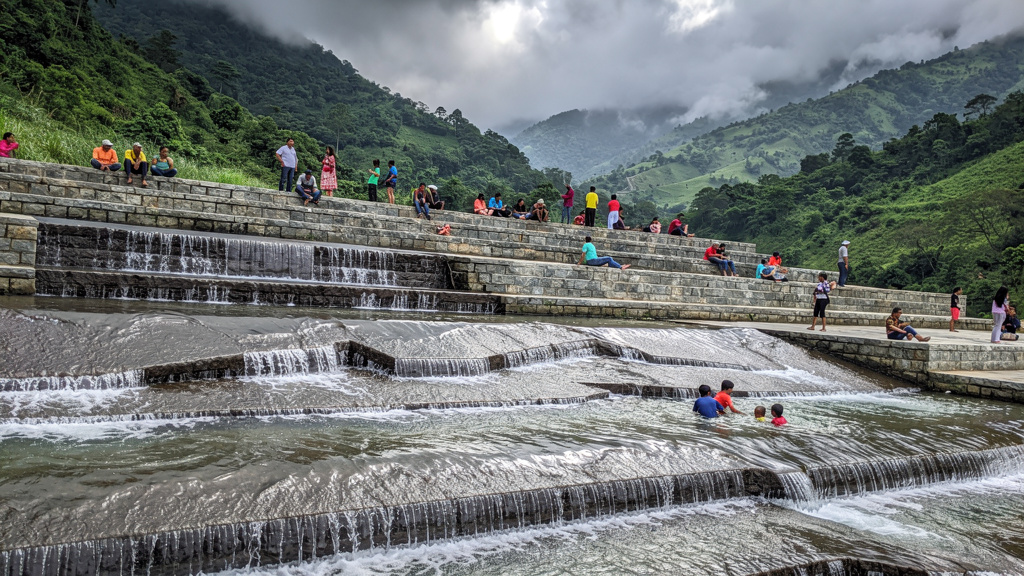
Bhushi Dam is one of the most famous Lonavala tourist places, and during the rains it turns into a busy outdoor water park. Instead of a classic vertical drop, the overflow from the masonry dam rushes down wide stone steps, creating shallow pools and short slides. Families and groups sit in lines on these steps, laughing as cool water flows rapidly around them.
Reaching the Bhushi Dam waterfall steps is straightforward. The dam lies a short drive from the main town and is well known to local taxi and auto drivers. There is usually no official entry charge for the site itself, although nearby parking often attracts a small fee. Snacks, chai and simple food are easy to find, which makes this spot popular with large groups on a weekend getaway from Mumbai or Pune.
Monsoon months from July to September are the best time to plan a visit. During this period the dam overflows strongly, and photographs show water covering most of the steps. Weekends and holidays can be packed, with traffic jams around the access road and hundreds of visitors enjoying the same spot. If you prefer a quieter experience, try to visit on a weekday, or aim for early morning and late afternoon.
Because there is rushing water and smooth rock, safety needs attention. The steps can be extremely slippery, currents change with rain, and swimming in the main dam reservoir is banned for good reason. For families adding Bhushi to their list of Lonavala nature spots, firm hand-holding with children and non-swimmers, plus sensible footwear, keeps the mood relaxed and fun.
The Reverse Waterfall – Nature’s Gravity-Defying Spectacle
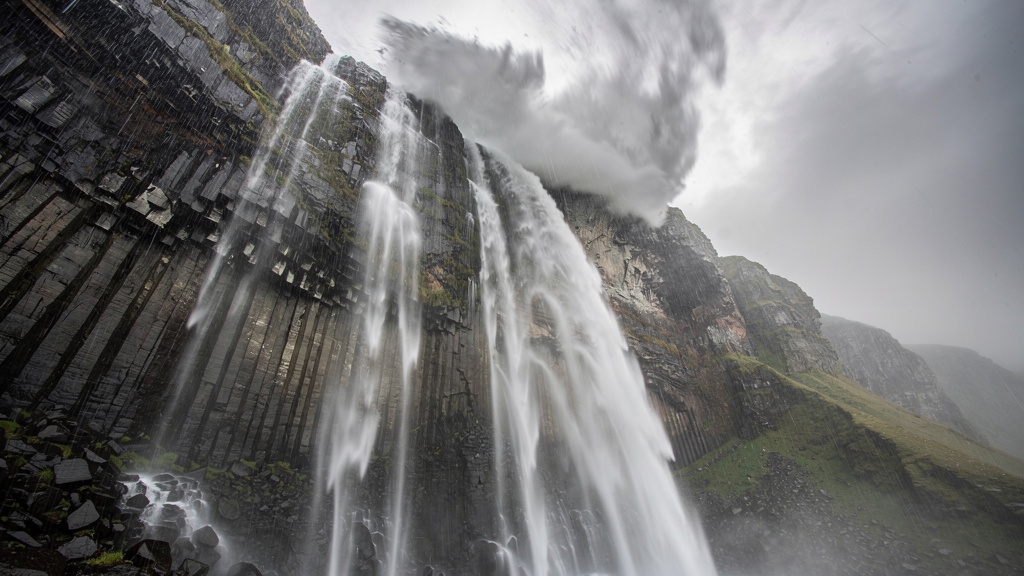
Among all waterfalls near Lonavala, the so-called Reverse Waterfall is probably the strangest. On certain stormy days, strong winds blast up the cliff faces and push falling water back upwards, so it seems to float or flow in reverse. Standing nearby, it looks almost like a special effect from a film rather than something happening right in front of you.
This rare sight appears at a few exposed points along the ghats near Lonavala, especially close to Duke’s Nose, on roads leading to Amby Valley, and around Sandhan Valley near Samrad village. It is not tied to one fixed rock or stream. Instead, it depends on wind direction, strength and which small seasonal cascades are flowing that day.
Your best chance to see this odd member of the monsoon waterfalls Lonavala family is in July and August, during spells of very heavy rain and strong winds. Speak to local drivers, homestay hosts or trekking groups about current spots where the effect is visible. If you go, treat the area with extra care, as these cliffs are exposed, gusty and often covered in spray. Standing well back from the edges still gives a clear view and keeps the experience firmly in the wow-not-worry range.
| Iconic Spot | Highlight Feature | Ideal Months |
|---|---|---|
| Kune Falls | Three-tiered, ~200 m high cascade | July–September |
| Bhushi Dam | Wide stone steps with overflowing water | July–September |
| Reverse Waterfall | Wind-blown spray that appears to rise | July–August (windy days) |
Adventure Seeker’s Paradise – Waterfalls For The Intrepid Explorer
Beyond the popular picnic spots, several waterfalls near Lonavala appeal to those who crave a tougher test. These are places where the trail itself becomes part of the reward, where you push through forest, navigate slippery boulders and sometimes use basic rope work. For regular hikers looking for Lonavala trekking spots, Kataldhar and Dudhiware stand out as excellent choices.
Kataldhar Waterfall – A Hidden Gem For Serious Trekkers
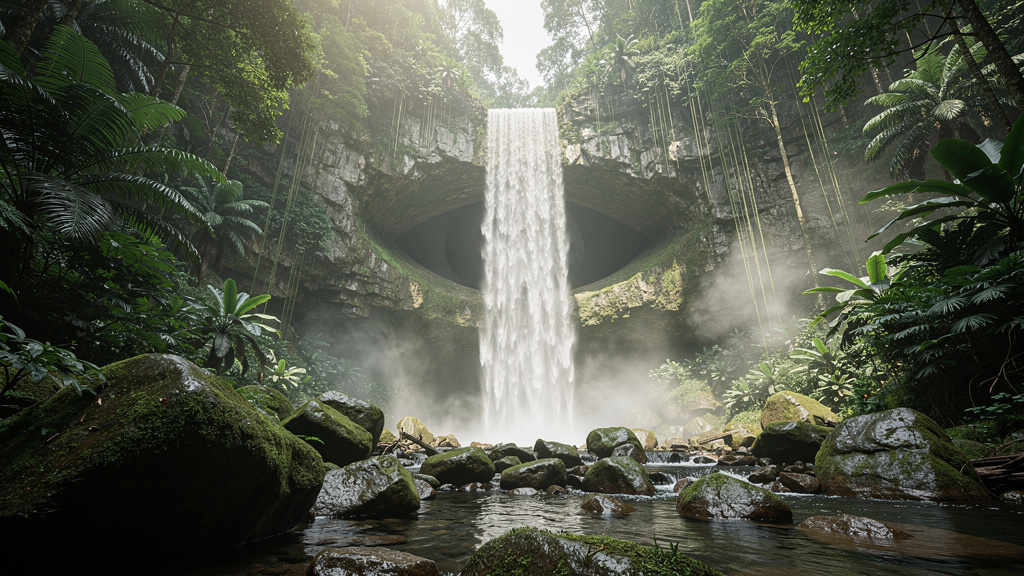
Kataldhar feels far removed from crowded Lonavala tourist places. This tall seasonal fall drops from around 450 feet into a rocky amphitheatre deep inside thick forest. When rain is strong, the sheet of water forms a white wall that almost closes off the space. Mist hangs in the air, and the only sounds are water, wind and the calls of birds echoing off the cliffs.
One of Kataldhar’s most striking features is a large cave with an opening shaped a little like an eye, positioned behind or close to the cascade. From here, you can look out through a curtain of rain and falling water towards the valley beyond, which creates an unforgettable frame for photos and quiet reflection. Reaching this point, however, is hard work and suits only those comfortable with rough terrain.
Most treks to Kataldhar start near the Rajmachi Fort exit on the Mumbai–Pune Expressway. The route drops through thick undergrowth, over slick rocks and along steep slopes that can be muddy and unstable. During heavy rain, streams fill suddenly and paths become even more slippery. For this reason, Kataldhar ranks high among waterfall trekking Lonavala routes for serious hikers, but it is a poor match for casual visitors.
If you plan to attempt this fall in August, when water flow peaks, treat safety as the main focus. Go only with an experienced local guide who knows current trail conditions, and wear shoes with strong grip. Carry rain protection, water, energy snacks and basic medical supplies in a secure backpack. The sense of achievement when you glimpse the first view of Kataldhar’s plume makes the effort worthwhile, but it should never come at the cost of taking careless risks.
Dudhiware Waterfall – Waterfall Rappelling Adventures
If you prefer ropes and controlled descents to long forest slogs, Dudhiware is likely to catch your attention. This seasonal fall near Lonavala has become a favourite spot for organised waterfall rappelling, pulling in thrill-seekers from across Maharashtra. Instead of only watching from a distance, you clip into a harness and ease yourself down the rock while water rushes past.
A typical Dudhiware outing, booked through an adventure operator, starts with a safety briefing on the basic techniques of rappelling. Instructors show you how to wear the harness, helmet and gloves, explain how the ropes work and walk you through commands used during the descent. Even first-timers with basic fitness can usually manage the route, as instructors control backup lines and remain close at all times.
During monsoon, usually from July to September, many operators run half-day or full-day packages here. Prices often fall in the ₹800–1,500 range per person, depending on group size and what extras are included, such as snacks, transport or short treks nearby. The mix of cool water, height and adrenaline makes Dudhiware one of the stand-out adventure activities Lonavala offers, especially for friends’ groups or corporate teams.
When choosing a provider, focus on reputation rather than the lowest price. Established operators invest in quality gear and trained staff, which makes a big difference to safety. Never attempt to rappel at Dudhiware on your own or with makeshift equipment. Instead, treat it as a chance to enjoy well-organised monsoon tourism Maharashtra style, where the wild setting and professional planning work together.
Family-Friendly Cascades – Accessible Waterfalls For All Ages
Not everyone visiting waterfalls near Lonavala wants steep climbs or long slogs through forest. Many families, older travellers and groups with pets prefer shorter walks, easy access and places where children can splash safely in shallow water. Luckily, the region offers several spots that balance beauty with comfort, keeping everyone in the group happy.
“Those who dwell among the beauties and mysteries of the earth are never alone or weary of life.”
— Rachel Carson
Zenith Waterfall – Khopoli’s Hidden Gem
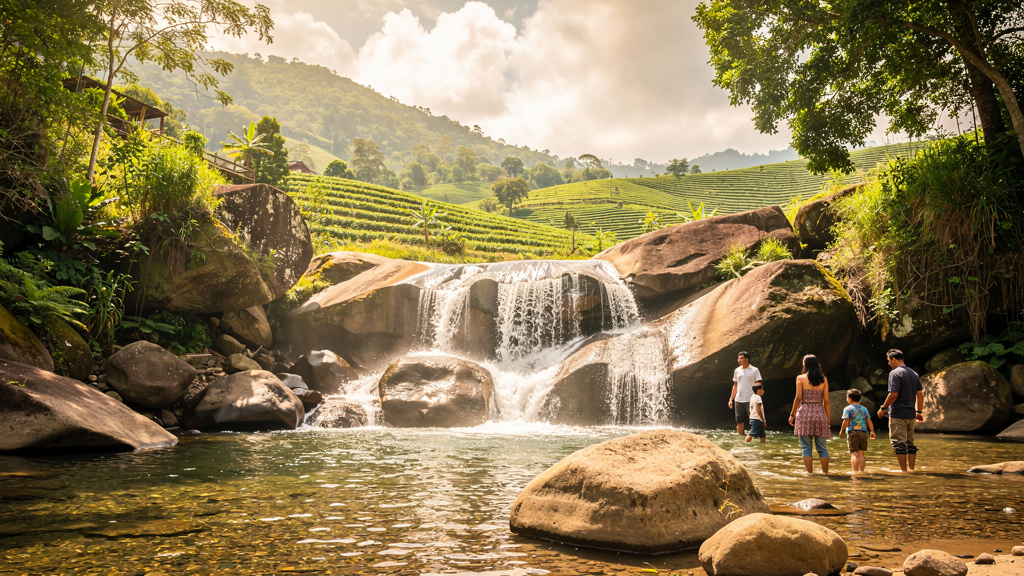
Zenith Waterfall, near Khopoli, often flies under the radar when people list Lonavala tourist places, yet it is a lovely monsoon escape. In full flow, water drops around 100–120 feet over rocky steps, breaking into smaller cascades before collecting in natural pools below. Forested slopes and open fields surround the area, giving it a relaxed, countryside feel.
Compared to Bhushi Dam or central Lonavala sightseeing places, Zenith tends to be less crowded, especially earlier in the day. Reaching the base involves a short walk across fields and along a muddy track, which most families with school-age children can handle. Good footwear is important, though, as wet soil and rocks can be treacherous in simple sandals.
To get there, many visitors take a Central Railway train to Khopoli station, then hire an auto-rickshaw for the short ride towards the start of the path. Packing a simple picnic, carrying drinking water and planning to take back your rubbish can turn the outing into a gentle weekend getaway from Mumbai that still feels close to nature. Zenith is at its best between July and September; outside the rains the flow reduces sharply.
Bhivpuri Waterfall – A Popular Day Trip From Lonavala
Bhivpuri, near Karjat, sits a little further out but still works well as a day trip linked to places to visit near Lonavala. The main fall is about 20 feet high, framed by lush monsoon greenery and rounded boulders. It feeds a spacious pool where many visitors wade or sit on the edges, with hills and low clouds in the background.
Access here is straightforward, which is why Bhivpuri attracts families and casual groups. You can take a local train from Lonavala towards Mumbai, get down at Bhivpuri Road station, then ride an auto-rickshaw to the nearest village. From there, a comfortable 15–20-minute walk leads you to the base area. The trail is mostly flat, with only mild slopes, which suits a broad range of ages.
Besides relaxed water play, the area is known for short jungle trails and occasional rappelling sessions run by adventure clubs. Photographers also enjoy Bhivpuri, as it offers easy waterfall photography Lonavala style without intense trekking. Like most waterfalls near Lonavala, it is busiest on weekends, so weekday visits feel calmer. Basic stalls sell tea and snacks, but carrying extra food and water is still sensible.
Bhaje Waterfall – Where History Meets Natural Beauty
Bhaje brings together two classic Lonavala sightseeing places in one visit. On one side, you have the ancient Bhaje Caves, a group of Buddhist rock-cut structures dating back to around the 2nd century BCE. On the other, during monsoon, a graceful seasonal waterfall flows down the surrounding hillsides, wrapping the historic setting in moving water.
When the rains are steady, the cliffs behind the caves turn green and slick, with streams cutting vertical lines across them. Visitors often hike up the stone steps to explore the caves first, then walk towards the waterfall area for photographs and a gentle splash in the shallower pools. For those who enjoy camping, the fields and plateaus nearby sometimes host simple overnight stays, which add to the experience of waking up to the sound of water.
Bhaje lies roughly 13 kilometres from Kamshet and is reachable by local transport or private car. The sweet spot for combining heritage and nature is between June and September when the falls carry good volume. For travellers interested in both culture and scenic waterfalls Maharashtra style, Bhaje feels especially rewarding.
Seasonal Wonders – Ephemeral Cascades At Tiger’s Leap And Lion’s Point
Some of the most striking waterfalls near Lonavala do not have official names at all. They appear only during strong monsoon spells along the cliffs around Tiger’s Leap and Lion’s Point, two of the most loved Lonavala tourist places. On dry days you see steep slopes and deep valleys; in heavy rain these same slopes become lined with dozens of slim, silver streaks.
Driving towards these viewpoints on a wet day, you will notice streams pouring straight off the edges of the plateau, falling into mist-filled gaps below. The combination of low clouds, moving fog, layered hills and fresh cascades makes this stretch one of the best nature spots near Mumbai for scenic drives. Safe pull-outs along the road allow quick photography stops without standing in risky locations.
Tiger’s Leap is a high cliff that, from certain angles, looks a little like a tiger about to spring. It offers sweeping views of the valley system below when the weather clears. Lion’s Point is popular for both sunrise and sunset, with food stalls, tea sellers and roasting corn adding warmth on wet, windy evenings. In the thick of the rains, these viewpoints turn into open-air balconies over a constantly changing show of cloud and water.
Early morning tends to offer clearer views before thick mist builds up, while late afternoon can bring dramatic, moody light that suits waterfall photography Lonavala fans. Whatever the time, drive slowly, since roads can be slick and visibility low. Park only in marked or firm spots and stay well back from unfenced edges, especially when taking photos or helping children find a better view.
Essential Visitor’s Guide – Safety, Timing And Preparation
Planning a trip to waterfalls near Lonavala is not only about picking locations; it is also about timing and simple, sensible preparation. With the right choices, even first-time visitors can enjoy the area safely and comfortably, instead of worrying about weather or last-minute surprises.
The monsoon season from June to September is the core window. June brings the first proper bursts of green and growing streams, with fewer tourists and lighter traffic. July and August give full-force falls and lush hills, but also the biggest crowds, especially at famous Lonavala tourist places on weekends. Late September and early October still offer pleasant weather and some flow, though many seasonal cascades begin to shrink. For cooler air, softer light and fewer people, morning visits between 7 and 9 o’clock work well.
Safety around water needs constant attention, especially when building a Lonavala travel guide for families and mixed groups. Rocks around falls often carry moss and stay wet day and night, which makes them much more slippery than they first appear. Sudden cloudbursts can cause levels to rise in minutes, turning calm pools into fast-moving currents that surprise even strong swimmers. Travelling with at least one companion and telling someone where you are going, particularly for remote treks, is a wise habit.
When it comes to gear, a little planning goes a long way. Many regulars carry a simple daypack with dry clothes, a towel, phone and camera protection, basic first-aid supplies, insect repellent and snacks. W
ater is easy to forget in such wet surroundings, yet staying hydrated during walks is important. Light, quick-drying clothing works better than heavy cotton that clings when wet, and a thin rain jacket or poncho keeps wind chill away during longer stops.
A short packing list can help keep things clear:
- A waterproof or water-resistant bag that holds a full change of clothes, including underclothes, so you can travel back dry and comfortable. Adding a small microfibre towel and plastic bags for wet items makes changing in a car or at a basic shelter far easier.
- Protection for electronics such as phones, cameras and power banks, using pouches or simple zip-lock bags so passing showers do not cut trips short. Carrying spare batteries or a power bank also helps, since constant waterfall photography Lonavala sessions can drain charge quickly.
- A modest first-aid kit with bandages, antiseptic wipes, pain relief tablets, personal medication and insect repellent, all sealed in a small pouch. This kit handles the usual minor slips, leech bites or headaches without turning them into bigger problems.
- Food and drink supplies, including at least two litres of water per person on longer treks, plus easy snacks such as nuts, fruits or energy bars. Even when local stalls are available at well-known Lonavala tourist places, having your own options removes the pressure of hunting for food at crowded points.
At many waterfalls near Lonavala, there is no formal ticket counter, but popular sites often charge for parking, usually in the ₹20–50 band. Guided treks to spots like Kataldhar or organised group walks may range from ₹500–1,500 per head, depending on distance and inclusions. Rappelling or other adventure activities typically sit between ₹800 and ₹1,500. Factoring these small costs into your plan keeps budgeting clear and lets you focus on enjoying what might well be the best time to visit Lonavala each year.
Retrofusion Boutique Homestay – Your Luxurious Waterfall Basecamp
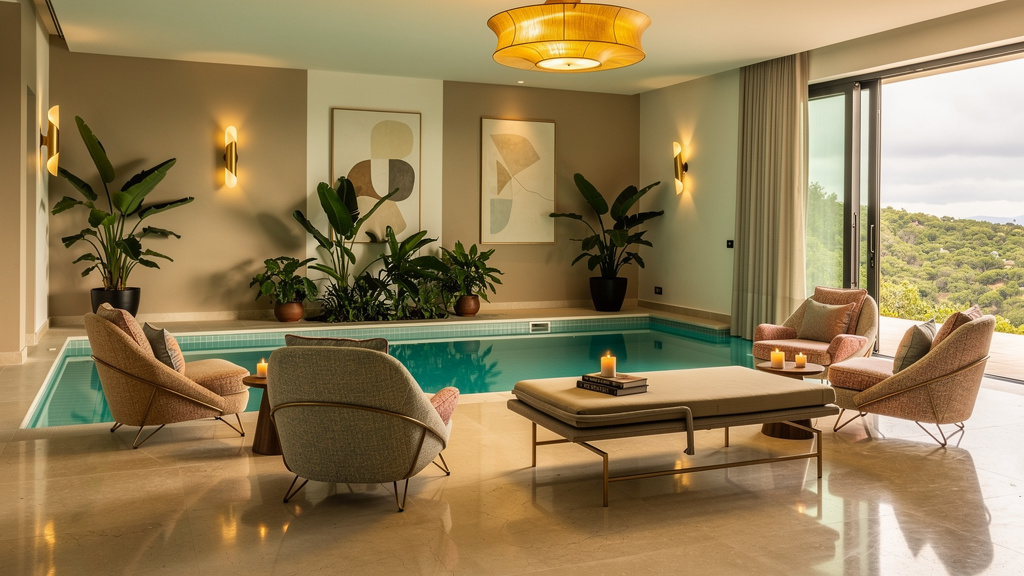
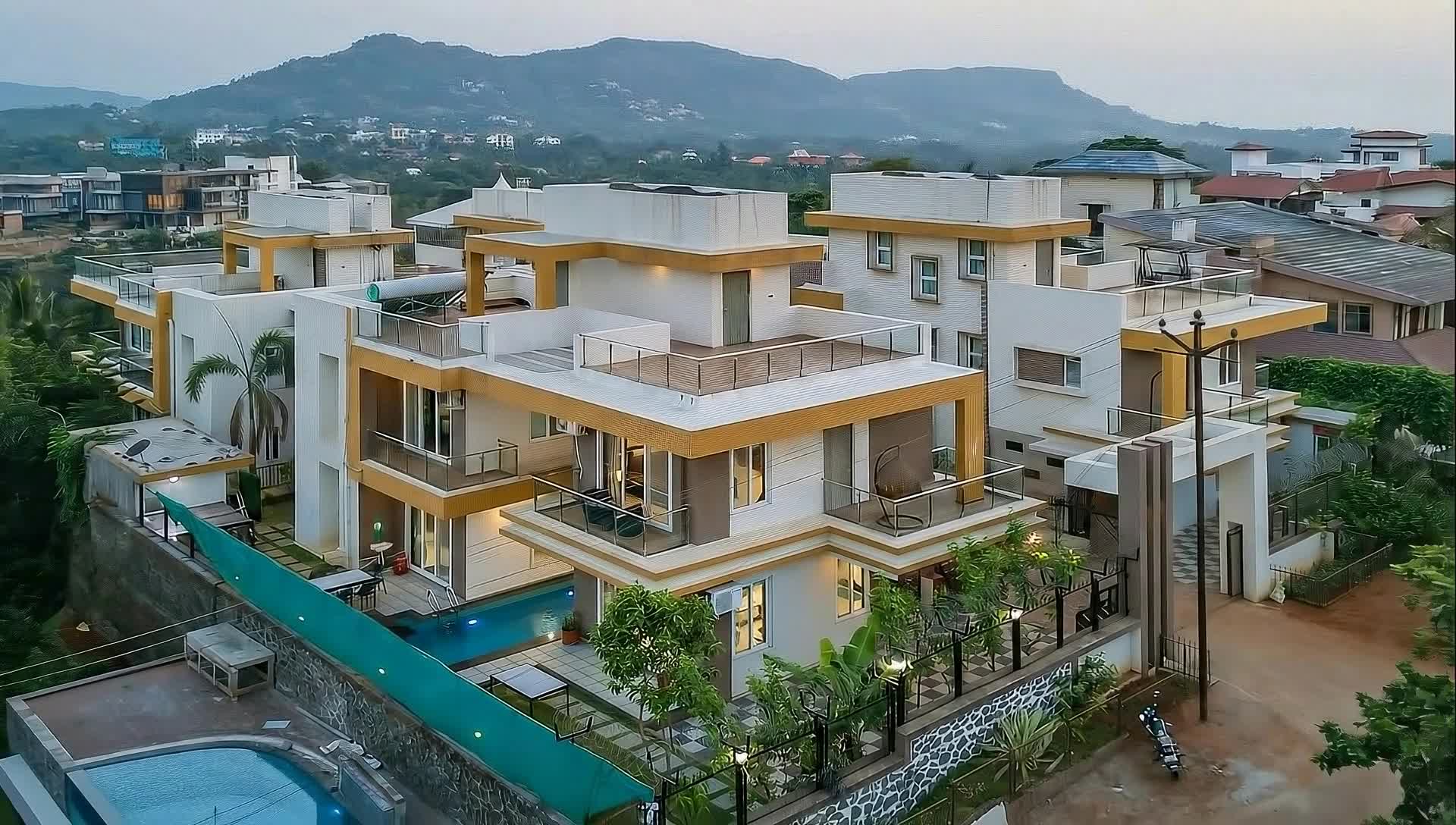
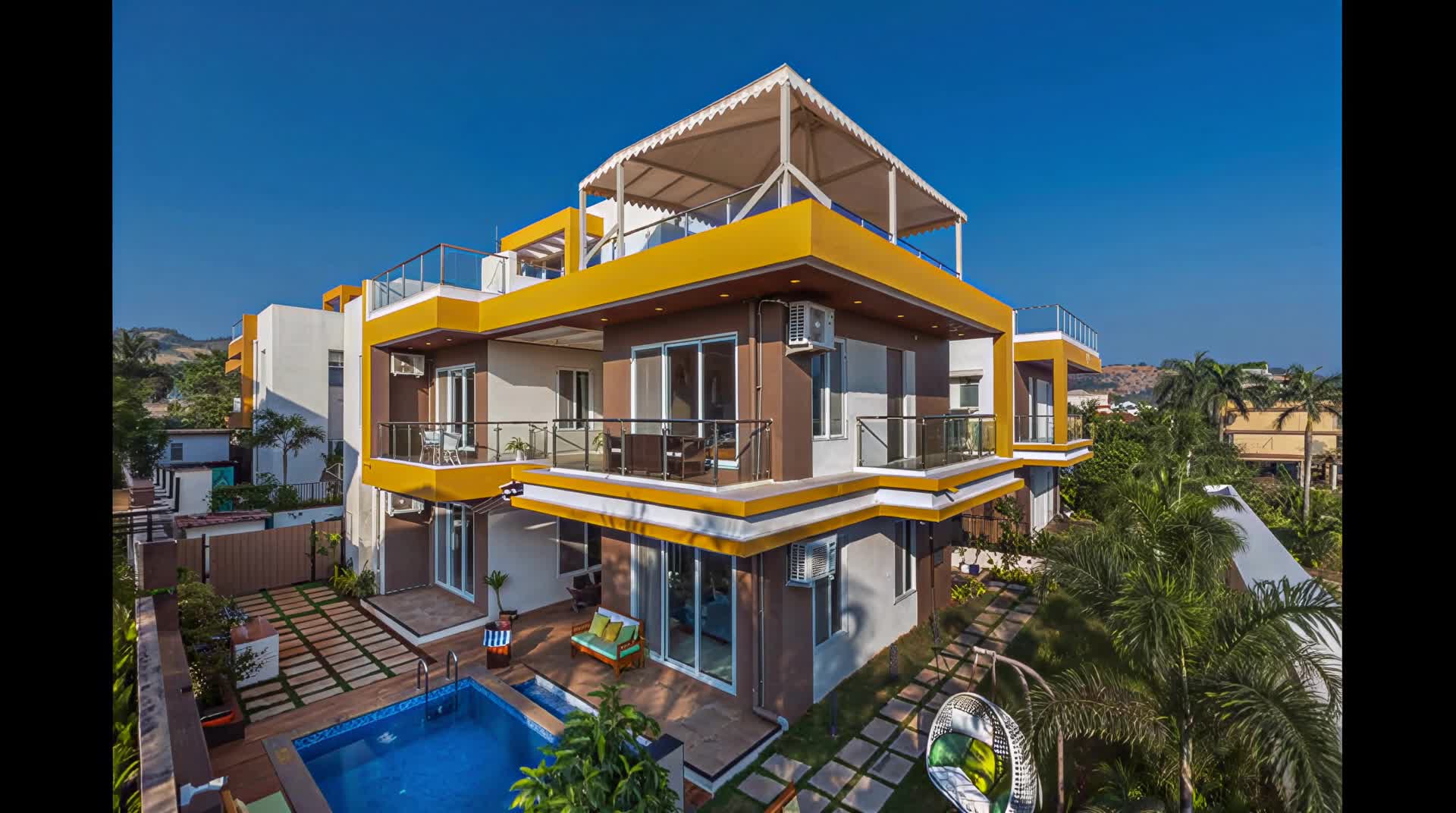
After a long day of trekking, climbing steps and standing in sudden showers, there is nothing better than returning to a warm, stylish space where wet shoes can dry and stories can flow. This is where Retrofusion Boutique Homestay fits beautifully into a trip centred around waterfalls near Lonavala. Rather than a standard hotel, it feels like a carefully curated home that understands both art and monsoon mud.
Founded by an artist who loves nature, Retrofusion carries a neo-retro design style that mixes vintage touches with clean, modern comfort. Thoughtfully chosen colours, furniture and art pieces give each room character without clutter. The property sits in the heart of Lonavala, within easy driving distance of key Lonavala nature spots such as Kataldhar, Lion’s Point, Tungarli Lake and Bhushi Dam, which makes it a smart base for exploring different directions on different days.
Retrofusion offers two distinct villas. Retro Villa works wonderfully for large families and multi-generational groups, with spacious bedrooms, social areas and privacy under one roof. Neo-Retro Villa is a four-bedroom space with a private pool, ideal for creative professionals, corporate teams, NRI families and pet parents looking for a refined yet relaxed stay. Both keep the focus on good design and practical comfort, rather than on stiff formality.
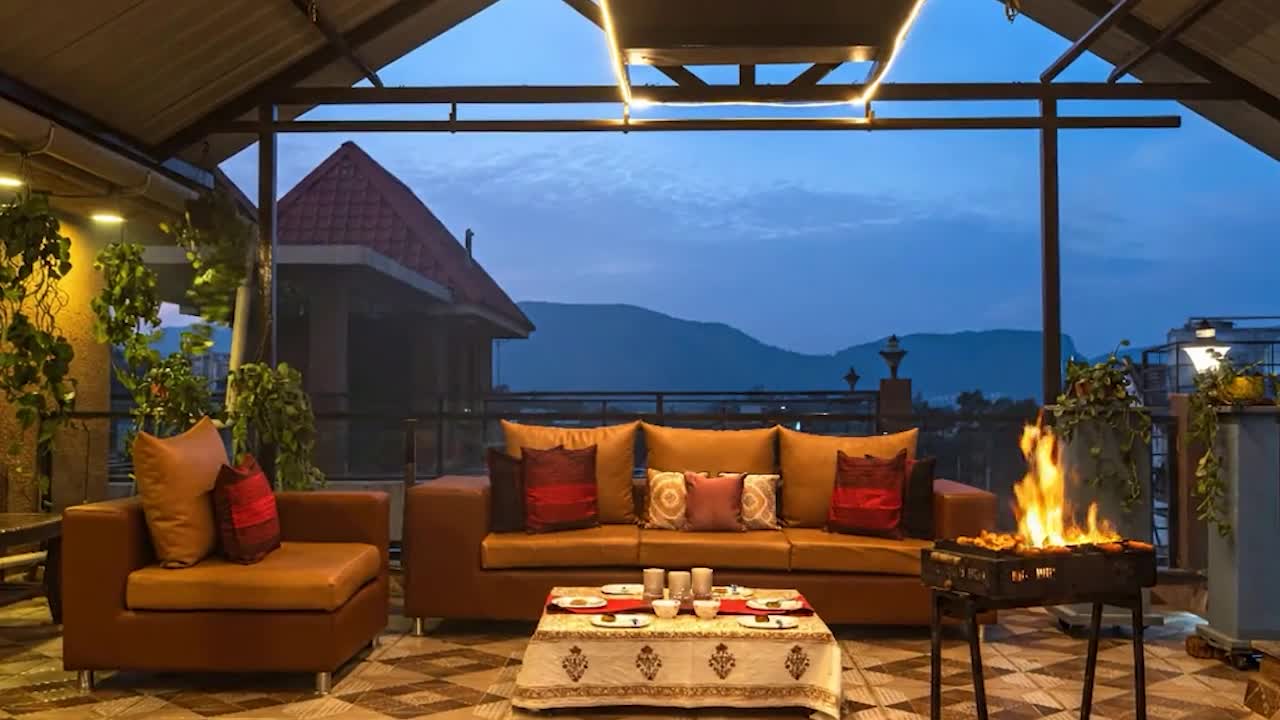
For travellers using the rains to tick off several Lonavala sightseeing places, the wellness-focused amenities at Retrofusion are a welcome bonus. Private plunge pools let guests enjoy water in a controlled, warm setting after facing chilly streams outdoors. Jacuzzis and steam baths help tired legs recover from steep treks. Cosy sit-outs and balconies overlooking greenery make quiet mornings with coffee just as tempting as action-packed starts.
places to eat at Retrofusion leans towards comforting Indian flavours, cooked in-house and served in a homely style that many guests say reminds them of slow family lunches. Evenings often drift into relaxed barbeques or card games, while the rain drums softly on the roof. In peak monsoon, when weekend getaway from Mumbai demand spikes, it is wise to book through the official Retrofusion website well in advance to secure your preferred villa and dates.
Lonavala’s Waterfall Photography – Capturing Monsoon Magic
For photographers, both serious and casual, the waterfalls near Lonavala offer a rich mix of subjects. You can frame big plunges like Kune, close-up textures of moss and rock at Bhaje, or human stories at Bhivpuri and Bhushi Dam. The constant play of light, cloud and mist during the rains keeps every visit slightly different, which is part of the charm of waterfall photography Lonavala trips.
Light is one of the biggest factors to consider. Early mornings often bring softer tones, gentle mist and fewer visitors, allowing you to set up without jostling for space. Overcast skies, common in the heart of monsoon, actually help by removing harsh shadows and making greens look deep and rich. Right after a strong shower, when the air feels freshly washed, water flow is at its peak and droplets catch even weak sunlight beautifully.
If you shoot with a camera and interchangeable lenses, a wide-angle option is handy for showing the full height of waterfalls near Lonavala alongside surrounding cliffs and valley floors. A mid-range or telephoto lens helps pick out interesting sections such as a side stream falling over roots, or a group standing small against a large rock wall. Many photographers like to use polarising filters to reduce glare from wet rock surfaces, or neutral density filters to smooth the water into silky ribbons with slow shutter speeds.
Composition matters as much as gear. Placing a rock, fallen tree or patch of grass in the foreground gives depth and scale to the frame. Paths, streams or railings can guide the viewer’s eye towards the central fall. Including a human figure, even very small, helps show how high a cliff or how wide a valley really is. Around well-known Lonavala nature spots, looking slightly away from the main viewpoint can reveal fresh angles that feel more personal.
Protecting equipment in this setting is non-negotiable. A weather-sealed camera bag or at least a rain cover keeps devices dry between shots. Microfibre cloths help wipe away stray droplets without scratching lenses. A tripod with legs that can grip slippery stones supports long exposures near flowing streams, though even a folded tripod can work as a steady support if pressed against a railing.
Smartphones today can handle a lot of this with ease. Using burst mode near splashes or at Bhushi’s steps helps catch natural expressions and dramatic waves. HDR modes balance bright sky and shadowed rocks, especially at high-contrast Lonavala sightseeing places such as Tiger’s Leap. Some apps allow longer exposures that blur water motion while holding the rest of the frame sharp, which gives that classic milky fall look without special filters.
“You don’t take a photograph, you make it.”
— Ansel Adams
When sharing images online, many visitors use tags related to scenic waterfalls Maharashtra, Lonavala and the Sahyadris so that other monsoon lovers can discover spots. It is also worth thinking before tagging very fragile or already overloaded places with exact map pins. Sometimes a hint rather than a precise location keeps sensitive Lonavala nature spots from facing too much pressure.
Conclusion
Every monsoon, the waterfalls near Lonavala turn the Sahyadris into a kind of open-air stage. Tall curtains of water crash into hidden pools, fine threads fall from rocky shelves, and on rare days, streams even appear to climb against the wind. From the busy steps of Bhushi Dam to the silent bowl of Kataldhar, the region offers a rich menu of experiences for anyone who feels drawn to moving water.
Part of the charm lies in the range of options. Families can choose gentle Lonavala sightseeing places like Zenith and Bhivpuri, where children can splash under watchful eyes. Experienced hikers can test themselves on tricky trails and rappelling lines, turning the hills into a natural playground. Photographers find endless material at Tiger’s Leap, Lion’s Point and Kune, building their own personal collection of scenic waterfalls Maharashtra is known for.
Monsoon, though, is short. The window from June to September flies by, and by October many seasonal waterfalls near Lonavala thin to small streams. With some simple planning around weather, safety, fitness levels and travel time, most visitors can find a sweet spot that suits them. Combining falls with viewpoints, caves, local snacks and scenic drives creates a fuller picture of what this hill region offers.
Choosing a thoughtful base such as Retrofusion Boutique Homestay can make the difference between a rushed trip and a relaxed retreat. Warming up in a private pool or steam bath after cold spray, eating home-style meals and waking up to tree-framed views add quiet comfort around busy days out.
If the sound of rain on leaves, mist on your face and distant thunder from hidden falls appeals, this is the moment to start planning. Look through the waterfalls near Lonavala that match your style, check current access and weather, and book your stay and travel dates. The memories you bring back from this short season may stay bright long after the clouds have cleared over your favourite weekend getaway from Mumbai.
FAQs
Which Is The Most Famous Waterfall Near Lonavala?
Kune Falls is often considered the most famous among the waterfalls near Lonavala, thanks to its 200-metre height and dramatic three-tier profile. Bhushi Dam, however, is the most visited spot because of its easy access and playful stepped cascades. For those chasing something different, the Reverse Waterfall draws attention for its wind-driven, gravity-bending effect.
Are The Waterfalls Near Lonavala Safe For Children And Non-Swimmers?
Safety depends strongly on the specific site and the day’s weather. The stepped cascades at Bhushi Dam can be fun for families, but they demand constant adult supervision and careful footing. Non-swimmers should avoid deep pools or fast currents at all waterfalls near Lonavala, sticking instead to shallow edges. Places like Zenith and Bhivpuri, with easier terrain and gentler pools, tend to suit children better than trek-heavy spots such as Kataldhar.
What Is The Best Month To Visit Waterfalls Near Lonavala?
July and August are usually the best months to see waterfalls near Lonavala in full flow, with hills at their greenest and streams roaring. June offers a softer start, with fewer crowds and hillsides just turning lush. September keeps pleasant weather and some strong falls, though smaller streams begin to fade. For a balance between strong water and manageable crowds, many travellers pick weekdays in July or early August.
How Far Is Kune Falls From Lonavala Railway Station?
Kune Falls sits roughly 3.5 kilometres from Lonavala Railway Station and around 2 kilometres from Khandala station. Travel time by taxi or auto-rickshaw is usually 10–15 minutes, traffic and rain allowing. The falls are close to the Old Mumbai–Pune Highway, near Kune Church, which most local drivers recognise. Because access roads may cross private land, it is sensible to confirm current visiting rules before setting off.
Can We Swim In Lonavala Waterfalls?
In most cases, swimming in waterfalls near Lonavala is unsafe and often not allowed. Strong, unpredictable currents, hidden rocks and sudden changes in depth can cause serious injury even to good swimmers. Controlled splashing in shallow, approved areas, such as the lower steps at Bhushi Dam or calm sections at Bhivpuri on quiet days, is usually safer. Deep plunge pools, dam reservoirs and fast-flowing channels should always be avoided when thinking about a dip.
What Should I Wear When Visiting Waterfalls Near Lonavala?
Clothing for trips to waterfalls near Lonavala should be light, quick-drying and comfortable. Sportswear or synthetic fabrics work well, as they do not stay heavy when wet, unlike thick denim or cotton. Footwear matters most, so pick shoes or sandals with good grip that can handle wet stone and mud. Adding a light rain jacket, cap and a waterproof pouch for your phone helps keep you comfortable. Packing a full spare set of clothes in a dry bag makes the ride home far more pleasant.