
Mist curls around the Sahyadri hills, the air smells of wet earth, and waterfalls thunder down emerald cliffs. That first misty drive up the ghat is when many people realise that the famous places in Lonavala are not just stops on a map but scenes from a painting come to life.
This hill station between Mumbai and Pune is known for more than cool weather. Ancient Maratha forts rise above clouds, 2,000-year-old Buddhist caves hide in the rock, and cliffside viewpoints open to sweeping valley views. Lakes, dams and waterfalls turn monsoon months into a grand show, while winter brings clear skies that make every Lonavala famous point feel sharper and wider.
From Mumbai it is about eighty three kilometres, from Pune about sixty five, yet the change in mood feels far bigger. The famous places in Lonavala range from gentle family walks to serious treks, from quiet temples to high energy adventure parks. For travellers who love good design and privacy, staying at Retrofusion Boutique Homestay means exploring all of this by day and sinking into neo retro comfort by night, with an artist’s eye behind every corner.
In this guide you will discover the top places to visit in Lonavala, with clear descriptions, seasonal tips and ideas for photos and experiences. Whether the plan is a family weekend, a creative reset, a corporate offsite or a reunion with friends, the pages ahead will help you pick the famous spots in Lonavala that match your style and pace.
Key Takeaways
- Famous Places In Lonavala In One Guide
This guide gathers the most famous places in Lonavala in one place. You see forts, caves, lakes, viewpoints and family attractions side by side, so planning becomes simple even for short weekend breaks. - Historic Hill Forts For Soft Adventure
Historic forts such as Lohagad, Rajmachi and Tikona mix soft adventure with sweeping Sahyadri views. They suit families, friend groups and corporate teams, and they give a strong sense of Maratha history. - Ancient Buddhist Caves For Culture Lovers
Ancient Buddhist sites such as Karla Caves and Bhaja Caves show rock-cut art that is over two thousand years old. These calmer Lonavala attractions are perfect when you want reflection, culture and cool stone halls. - Iconic Viewpoints For Sunsets And Photos
Tiger’s Leap, Lion’s Point and Duke’s Nose rank among the best Lonavala viewpoints. Monsoon brings mist and waterfalls, winter brings crystal views, and every season rewards photographers and sunset fans. - Lakes And Dams For Water Lovers
Pawna Lake, Bhushi Dam and Lonavala Lake offer very different moods by the water. You can splash in monsoon steps, picnic by a quiet shore, or camp under bright stars beside a historic fort line. - Retrofusion Boutique Homestay As Your Base
Retrofusion Boutique Homestay gives you an artistic base for all these Lonavala sightseeing places. You get refined villas, private pools and insider tips on famous points, hidden corners and local food stops.
Historic Hill Forts Sentinels Of The Sahyadris
Lonavala’s hill forts stand like giant stone guards above the valleys, each one telling a fierce Maratha story. These forts are some of the most famous places in Lonavala because they combine gentle to moderate treks with wide open views and moss-covered ramparts. For many visitors, a fort walk in soft monsoon rain is the moment they fall in love with this hill station.
Lohagad Fort The Iron Fortress
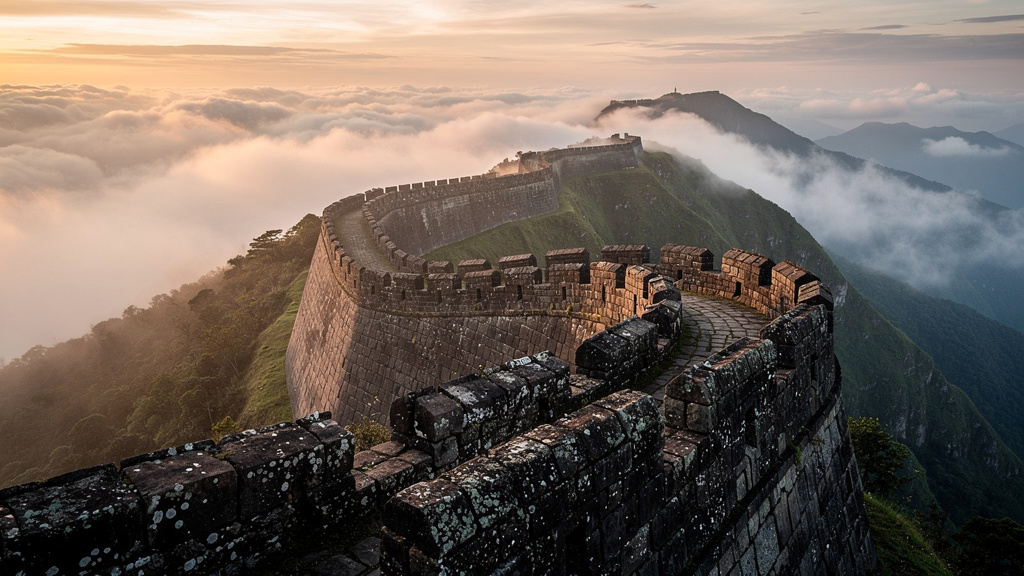
Lohagad, often called the Iron Fort, was once a key stronghold of Chhatrapati Shivaji Maharaj and now feels like an open-air history book. The fort stands among a celebrated line of Sahyadri hill forts, which adds quiet prestige for anyone keen on culture as well as scenery. The climb is considered easy by trekking standards, thanks to broad stone steps that rise through green slopes and dripping rock faces.
At the top you find four grand gates, long walls, old water tanks and simple temples that seem to float in the mist. The famous Vinchu Kata spur, shaped like a scorpion’s tail, stretches out from the main fort and gives spectacular views of Pawna Lake, Visapur Fort and the folded valleys below. In monsoon, clouds drift across the path and tiny waterfalls appear along the way, while winter brings clear blue skies and sharp views. Families with children, corporate groups and first time trekkers often pick Lohagad as their first famous place in Lonavala, then return to Retrofusion for a warm soak and a slow evening by the pool.
Rajmachi Fort A Trekkers Paradise
Rajmachi Fort sits deeper in the Sahyadris and feels wilder, with twin peaks named Shrivardhan and Manaranjan watching over the old Borghat trade route. The trail from Lonavala side is a long, mostly gentle walk across mud tracks and forest paths, while the Karjat side climb is shorter and steeper. Along the way you pass tiny villages, stone houses and streams that turn into noisy waterfalls during the rains.
The ruined walls, gateways and water tanks at the top hint at the fort’s serious military past, yet the mood now is peaceful and open. From the ridges you can see the Ulhas River in the distance and a sea of hills in every shade of green. Rajmachi is one of the best places to visit in Lonavala for groups who enjoy long walks, camping at Udhewadi village and slow nights under thick stars. It works very well for team building and for artists who like sketching or photographing raw, untamed nature.
Tikona Fort The Triangular Fortress
Tikona Fort, also known as Vitandgad, rises in a sharp triangle that is easy to spot from Pawna side. The climb is shorter than Rajmachi yet steeper in parts, with rock-cut steps that add a mild thrill. At the top you find a small Trimbakeshwar Mahadev temple, old water tanks and stone walls that feel very close to the clouds in monsoon.
From the summit you get a full circle view of Pawna Dam, Tung Fort, Lohagad and Visapur, making it a favourite Lonavala famous point for photographers. Tikona is less crowded than Lohagad, so it suits families and groups who like a quieter trek yet still want one of the famous places in Lonavala on their list.
Quick Tips For Fort Treks:
- Start early in the morning for cooler weather and lighter crowds.
- Wear shoes with firm grip; many stairways turn slippery in the rain.
- Carry water, light snacks and a small first-aid kit, especially with children or larger groups.
Ancient Buddhist Caves Timeless Architectural Marvels
Long before hill forts rose on these peaks, Buddhist monks carved halls, cells and stupas into the basalt rock of the Western Ghats. The cave complexes near Lonavala are among India’s oldest Buddhist sites and count as major Lonavala attractions for anyone who cares about art, faith and history. Cool stone walls, soft light and the sound of distant birds make these sites feel far away from town, even though they lie within easy reach.
For travellers staying at Retrofusion, a cave visit often becomes a slow, reflective half day between more active treks and viewpoints. The rock-cut details, from animal figures to wooden beam patterns carved into stone, also appeal strongly to designers and creative professionals who look for fresh references.
Karla Caves The Grand Chaitya
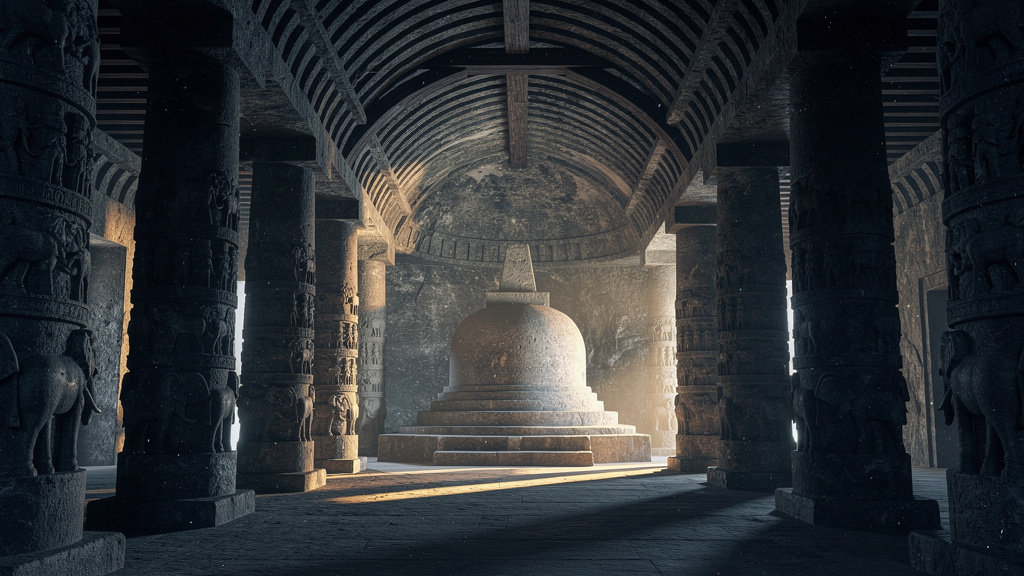
Karla Caves date back to the second century before the common era and hold one of the largest rock-cut chaitya halls in India. As you climb the broad steps towards the entrance, tea stalls line the way and the hillside opens in wide views, yet the real drama lies inside the main hall. Tall pillars carry a high vaulted roof that copies the form of a wooden hall, with carved elephants, horses and human figures marching along the sides.
At the far end stands a massive stone stupa, smooth and simple, drawing the eye and calming the mind. The air inside is cool and still, and shafts of light filter in from the front arch, giving photographers a field day. Right by the entrance sits the Ekvira Devi Temple, important for the local Koli community, which means you see both Buddhist and Hindu devotion in a single visit. Karla Caves are one of the most famous places in Lonavala for culture lovers and feel especially powerful when visited in the quieter hours of the morning. Try to avoid touching the carvings and keep voices low to protect the site’s calm mood.
Bhaja Caves Rustic Monastic Serenity
Just a short drive from Karla lies Bhaja Caves, a cluster of twenty two rock-cut spaces that feel more intimate and less busy. Here you can walk through simple viharas where monks once slept and studied, stand before a smaller chaitya hall, and study a line of fourteen stupas thought to hold remains of senior monks. Parts of an ancient wooden roof still cling to the stone in the main hall, a rare detail that fascinates architects and art students.
One panel shows a woman playing a drum and another figure dancing, giving a sudden, human glimpse into music and joy from two millennia ago. During the monsoon a thin waterfall drops beside the last cave, turning the rock face dark and glossy. The climb up is pleasant, with views opening as you rise, and the site usually feels calmer than most famous places in Lonavala. Many visitors pair Karla and Bhaja in one half day, then head back to Retrofusion for slow conversations over tea in an art-filled living room.
Spectacular Viewpoints Natures Grand Theatre
Ask anyone to name famous places in Lonavala and the cliffside viewpoints often come first. These edges of the plateau give sweeping views of deep valleys, forested ridges and sinuous roads that seem to curl away into the mist. Monsoon months wrap everything in soft cloud, with surprise waterfalls streaking down the cliffs, while winter clears the air for blue sky panoramas that seem to go on forever.
Because most viewpoints are reachable by car, they suit all ages and fitness levels, from grandparents to toddlers. They are also some of the most Instagram-friendly Lonavala sightseeing places, with changing light, shifting mist and bright evening skies turning every visit into a fresh set of photographs.
Tigers Leap The Iconic Cliff Edge
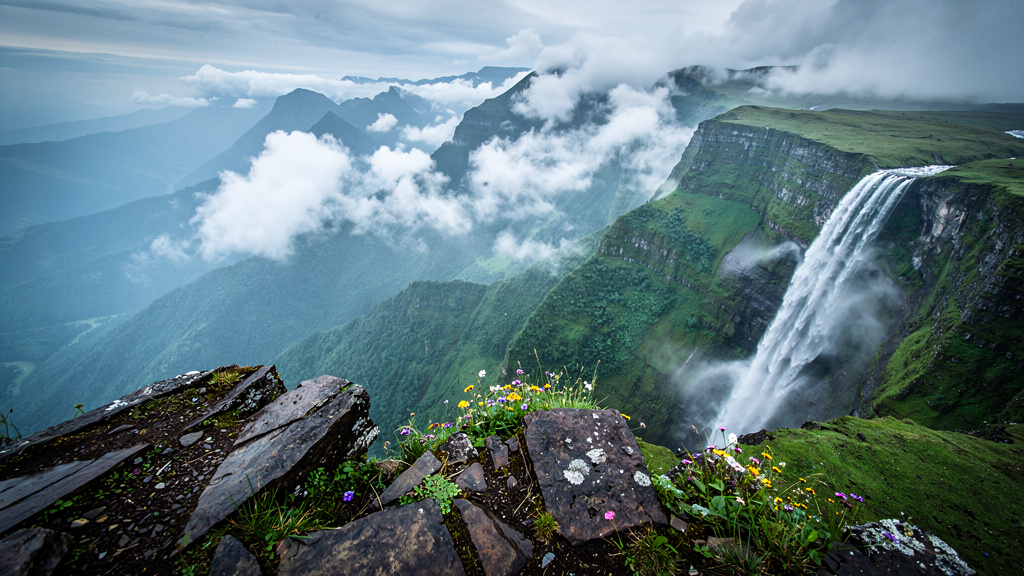
Tiger’s Leap, also known as Waghdari, is one of the best known Lonavala viewpoints and a classic stop on any hill station drive. The cliff here drops so sharply that from some angles it looks as if a tiger could leap straight into the valley, which is how the name began. On clear days you can see folds of green hill after hill, cut by a thin line of river far below.
During the monsoon a seasonal waterfall gushes from the plateau into the depths, its roar mixing with wind and distant thunder. Children love testing the echo at this famous spot in Lonavala, shouting into the valley and listening to their own voices bounce back. Stalls nearby sell roasted corn, hot tea and local snacks, turning a short stop into a small picnic. Because the edge is dramatic, it is wise to stay behind the railings and watch children closely, especially when rocks are wet.
Lions Point Sunrise And Sunset Splendour
A short drive from Tiger’s Leap, Lion’s Point spreads out in a wide platform that feels made for sky watching. From here the hills look softer and the valley wider, making sunrises and sunsets the main draw. Early mornings bring pale, gentle light and a hush in the air, while evenings set the sky on fire with rich oranges, pinks and purples.
During monsoon, low clouds roll in and out, sometimes hiding the view completely and then parting without warning to reveal waterfalls on distant cliffs. Food stalls stand along the edge, serving corn, pakoras and steaming tea that tastes better in the chill wind. Couples often count Lion’s Point among the most romantic Lonavala famous places to visit, while families like the open space where everyone can find their own viewing corner.
Dukes Nose Adventure Meets Panorama
Duke’s Nose, or Nagphani, rises as a bold rock head at about three thousand two hundred feet, its profile said to match the nose of the Duke of Wellington. The view from the top is gripping, with rail lines, the Mumbai–Pune Expressway and layers of hills all visible at once. Getting there usually means a moderate trek over forest paths and rocky ridges, which appeals to fit families and friend groups who enjoy a small challenge.
For adventure lovers this Lonavala famous point offers much more than a walk. Rock climbing and rappelling routes trace the cliff faces, and the site hosts slackline events where experts walk narrow lines high above the valley. Clear post-monsoon mornings work best for Duke’s Nose, with firm ground and clean air making every step and every photograph feel sharp and rewarding.
Serene Lakes And Dams Tranquil Waterscapes
Water is at the heart of many famous places in Lonavala, whether it is a calm lake catching sunset colours or a roaring dam in full monsoon flow. The still blue of these reservoirs sits beautifully against steep green hills, giving both soft silence and playful splashes, depending on where you go. They are perfect for families who want easy access and flat ground, and for groups looking to mix relaxed time by the water with short drives to nearby forts and viewpoints.
From busy Bhushi Dam to the gentle shores of Pawna and Lonavala Lake, these waterscapes balance the more demanding treks and cliff edges of other Lonavala attractions.
Pawna Lake Camping Under The Stars
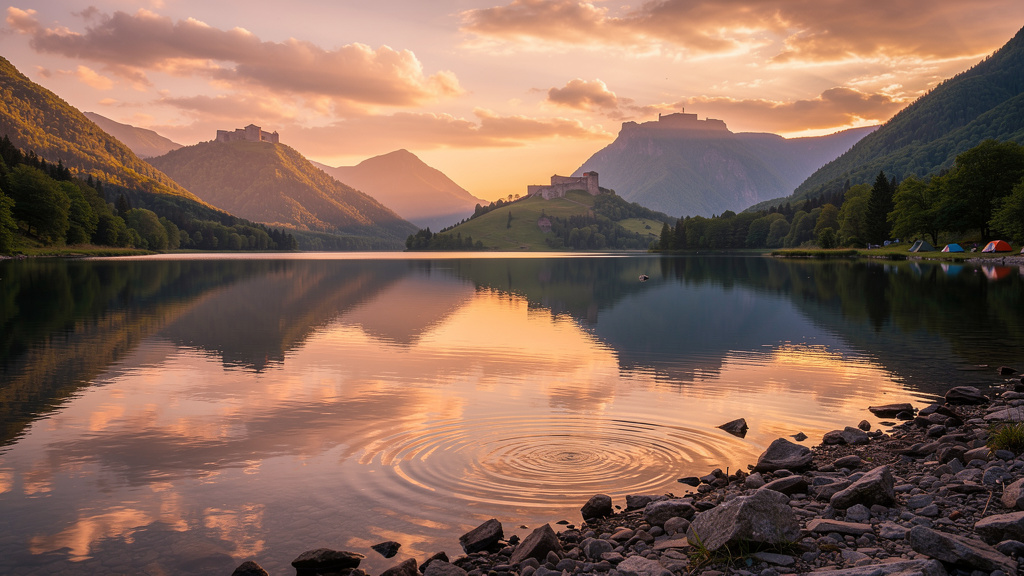
Pawna Lake is an artificial reservoir formed by the Pawna Dam and ringed by a line of famous forts including Lohagad, Visapur, Tung and Tikona. The water spreads wide and calm, reflecting morning light in silver and evening skies in deep gold. Along the shore, a series of campsites offer everything from simple tents to more plush glamping set ups, with mattresses, warm blankets and proper washrooms.
Groups can try boating and gentle water sports during the day, then gather around bonfires at night with music, barbecue and stories. Clear nights make Pawna one of the best places to visit in Lonavala for stargazing, since light pollution is low and the Milky Way is often visible. Many corporate teams and reunion groups spend a night here and then drive back to Retrofusion the next day for a deeper rest in quiet, art-filled rooms. The lake sits about twenty kilometres from Lonavala town, so it works best as a planned half day or overnight outing.
Bhushi Dam Monsoon Water Park
Bhushi Dam turns into a natural water playground once the monsoon fills the Indrayani River. When the dam overflows, water rushes down wide stone steps, and visitors sit along the tiers to feel cool streams tumbling over their feet and legs. The air is full of laughter, calls and the splash of water, with families and groups posing for photos in every corner.
Food stalls nearby fry hot snacks and serve tea and coffee, adding warmth after a long splash in the chilly flow. Bhushi Dam is one of the most famous places in Lonavala during peak rains, so weekends can feel very crowded. It is wise to wear shoes with good grip and listen to local police or guards, as currents can be strong and rocks slippery.
Lonavala Lake Peaceful Monsoon Gem
Lonavala Lake, built in the late nineteenth century, sits quietly on the edge of town and fills only in the rainy months. When full, it turns into a calm sheet of water ringed by soft green slopes and simple walking paths. Birdsong, light breezes and the smell of rain make it a gentle counterpoint to busier Lonavala tourist spots.
Small stalls sell vada pav, roasted corn and tea, so you can sit by the bank and watch clouds drift across the surface. For families and older travellers who want a peaceful break, this lesser-known famous spot in Lonavala is a lovely choice.
Retrofusion Boutique Homestay Your Curated Base For Lonavala Exploration
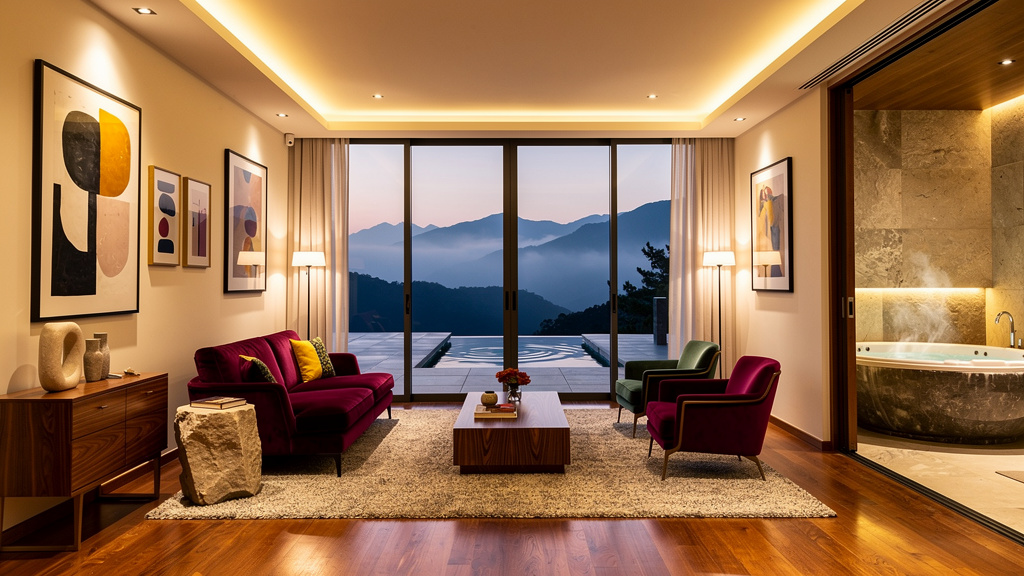
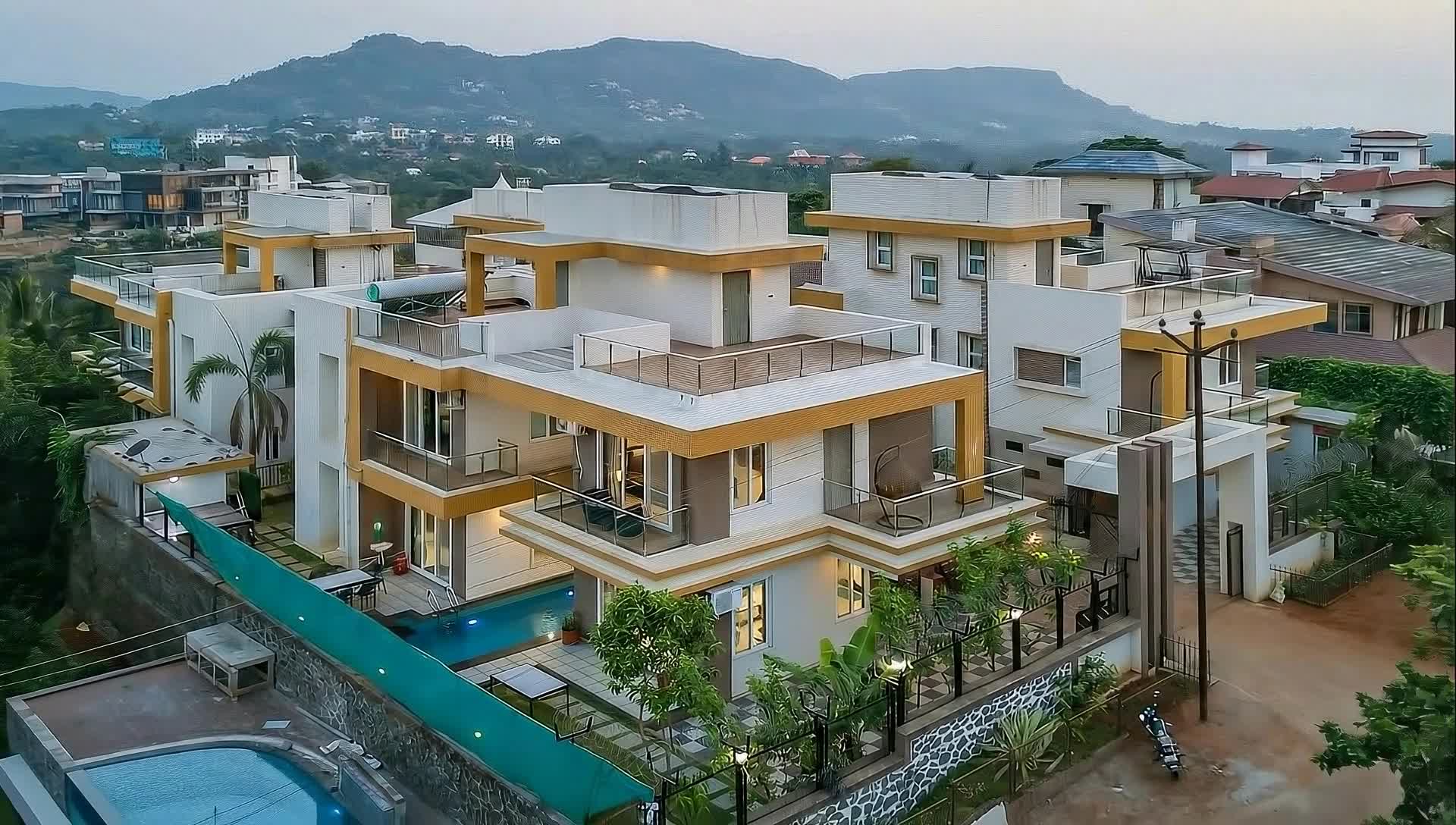
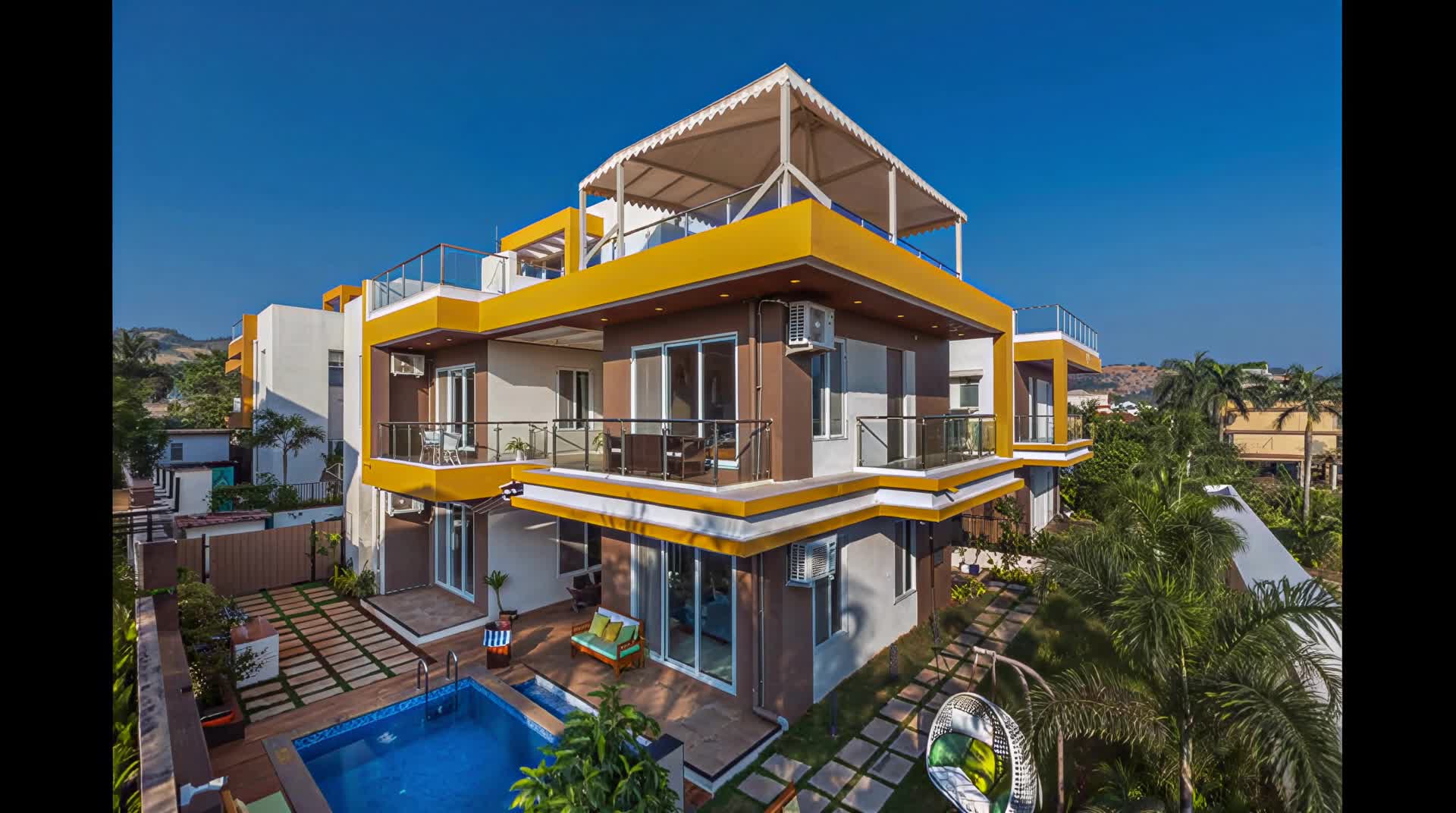
Amid all these famous places in Lonavala, where you stay shapes how the whole trip feels. Retrofusion Boutique Homestay offers two artist-designed villas, Retro Villa and Neo Retro Villa, that mix mid-century charm with present day comfort. Set in the quiet hills, with sweeping mountain views and easy access to the highway, they give a calm base that still keeps you close to key Lonavala attractions.
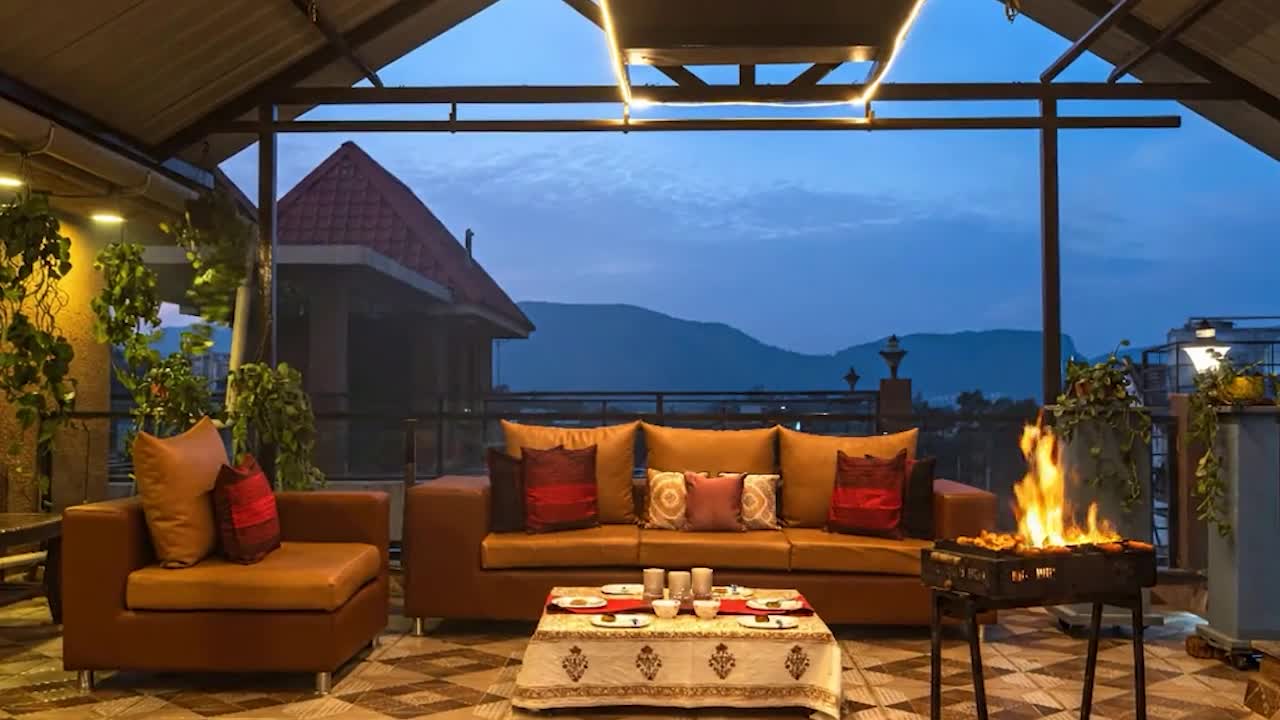
Inside, every room carries thoughtful touches from the founder’s artistic background, from colour palettes to hand-picked objects and art. Private plunge pools, jacuzzi-style tubs, steam baths and deep sofas invite you to slow down after treks to Lohagad, photo walks at Tiger’s Leap or wet fun at Bhushi Dam. Because choosing the ideal villa lies only a short distance from well known resorts, taxis and local autos find it easy to reach, which helps when guests arrive from Mumbai or Pune at different times.
One of Retrofusion’s quiet strengths is its local insight. Hosts share personalised suggestions for famous points, hidden waterfalls such as Katardhal, gentle walks around Tungarli Lake, and dining spots that match your tastes. They can point families to playground-friendly parks, guide creative professionals towards the most inspiring Lonavala viewpoints, and help corporate planners balance activity with rest. For NRI reunions, pet-loving groups or close friends marking big milestones, staying at Retrofusion turns a simple hill station break into a carefully curated Lonavala experience.
Additional Attractions Adventure And Family Entertainment
Beyond forts, caves and lakes, several other Lonavala tourist spots add colour and variety to your plans. Della Adventure Park is a favourite with thrill seekers, offering more than fifty activities from zip lines and ATV rides to rappelling and paintball, all set inside a polished resort. Corporate teams, large friend groups and older children usually place Della high on their list of famous places in Lonavala to visit.
On quieter days, Sunil’s Celebrity Wax Museum near the market offers a light-hearted hour with life-size figures of film stars, sports heroes and leaders, ideal when rain is heavy or energy is low. Ryewood Park and Shivaji Udyan in the town centre give you tall trees, flower beds and a play area where children can run while adults stroll shaded paths. Guests at Retrofusion often mix one of these Lonavala attractions into their stay, with the hosts happy to suggest timings and transport that fit the rest of the plan.
Planning Your Lonavala Trip
Good planning lets you enjoy the famous places in Lonavala without rushing or missing what matters most to you. Because this hill station changes mood with each season, it helps to think about weather, travel time and local food before you set off. Retrofusion’s team often shares sample day plans with guests, but these notes give a clear starting point.
“The mountains are calling and I must go.”
— John Muir
Best Time To Visit
Lonavala works across the year, but each season highlights different sides of its character. From June to September, monsoon rain turns the hills intense green, fills Bhushi Dam, awakens Kune and other waterfalls, and wraps Tiger’s Leap and Lion’s Point in drifting cloud. This is the best time if you crave dramatic nature, do not mind getting wet, and plan to focus on famous places in Lonavala that shine in the rain.
From October to February, the air stays cool and fresh, with clear views from forts, caves and viewpoints. Treks to Rajmachi, Tikona and Duke’s Nose feel safer and more comfortable, and this period works very well for corporate offsites and family trips. March to May is warmer yet still milder than Mumbai or Pune, with pleasant mornings and evenings and fewer crowds at many Lonavala sightseeing places. If peace matters more than full waterfalls, summer can be a smart choice.
Season Snapshot For Lonavala:
| Season | Months | Highlights |
|---|---|---|
| Monsoon | June–September | Lush hills, active waterfalls, Bhushi Dam in full flow |
| Winter | October–February | Clear views, comfortable treks, fort and cave visits |
| Summer | March–May | Fewer crowds, cooler than cities, relaxed sightseeing |
How To Reach Lonavala
Lonavala sits almost midway between Mumbai and Pune, which makes it one of the most accessible hill stations in Maharashtra. By road, you follow the Mumbai–Pune Expressway, reaching the town in about two hours from Mumbai and around one and a half hours from Pune, with state buses, private coaches and cabs easy to find. The rail option is equally handy, since Lonavala Railway Station is a major stop on the line linking the two cities and many express as well as local trains halt there.
For air travellers, Pune International Airport lies roughly sixty five kilometres away and Mumbai’s main airport around ninety kilometres away, from where you can book taxis or shared transfers. Retrofusion Boutique Homestay is positioned so that once you reach Lonavala, local autos or cabs can bring you to your villa without stress, leaving more energy for the famous places in Lonavala that wait outside the door.
Essential Travel Tips
“Take only memories, leave only footprints.”
— often attributed to Chief Seattle
- Book your stay and transport well in advance for weekends and monsoon or winter breaks. Demand from Mumbai and Pune can spike quickly. Early planning helps you pick the villa, train and adventure slots you really want.
- Pack for weather swings, especially if you plan many Lonavala tourist spots in the monsoon. Carry rain jackets, spare clothes and sturdy shoes with good grip. For treks, keep a small backpack with water, snacks and a light towel.
- Respect safety rules and the environment at every famous spot in Lonavala. Rocks near dams and waterfalls can be very slippery, so stay within marked zones. Taste local treats such as chikki, fudge, vada pav and bhel, but always bin wrappers and keep heritage sites and hills clean.
- Be mindful at temples, caves and village areas. Dress modestly, ask before photographing people, and support local vendors when you can.
Conclusion
Forts rising into clouds, caves whispering stories from two thousand years ago, cliffs where wind roars past your ears, and lakes that mirror evening skies. When you put these scenes together, it is easy to see why the famous places in Lonavala draw families, artists, corporate teams and old friends back again and again. Few hill stations combine history, nature, soft adventure and easy access from Mumbai and Pune in quite this way.
From Lohagad, Rajmachi and Tikona to Karla and Bhaja Caves, from Tiger’s Leap and Lion’s Point to Pawna Lake and Bhushi Dam, every day here can hold a different mood. Monsoon adds mist and rushing water, winter offers clean horizons, and summer quietly rewards those who prefer space over crowds. With Retrofusion Boutique Homestay as your art-filled base, you can return from each outing to warm lights, private pools and thoughtful comfort.
The map of famous places in Lonavala is wide, yet the real memory lies in the moments you claim for yourself on a fort wall, by a lake, or beside a window in a neo retro villa. When the hills call next, you will know exactly where to start.
FAQs
What are the most famous places to visit in Lonavala?
Some of the most famous places in Lonavala include Lohagad Fort, Rajmachi, Tikona, Karla Caves and Bhaja Caves. Tiger’s Leap, Lion’s Point and Duke’s Nose are top Lonavala viewpoints. Pawna Lake and Bhushi Dam round out the list for water lovers and monsoon fans.
What is Lonavala famous for?
Lonavala is famous for its cool hill station climate, misty monsoon season and classic Sahyadri views. It is also known for Maratha forts, ancient Buddhist caves, dramatic cliff points and sweet chikki sold along the main streets. Many travellers love that it sits conveniently between Mumbai and Pune.
When is the best time to visit famous places in Lonavala?
The best time to visit famous places in Lonavala depends on your mood and plans. Monsoon from June to September is ideal for waterfalls, misty cliffs and lively Bhushi Dam. Winter from October to February suits trekking, fort walks and clear views, while summer offers quieter trails and cooler air than the cities.
How do I reach Lonavala from Mumbai or Pune?
From Mumbai you can drive about eighty three kilometres along the Expressway or take one of several trains to Lonavala Station. From Pune the drive is around sixty five kilometres or a short train ride on the same main line. Flyers can land in Mumbai or Pune, then continue by cab or bus to reach this hill station.
Which are the best viewpoints in Lonavala?
Tiger’s Leap is the most iconic cliff edge, with a steep drop and wide green valley views. Lion’s Point is loved for dramatic sunrises and sunsets, while Duke’s Nose mixes adventure sports with sweeping sights of the ghat and rail lines. Kune Waterfalls, seen from nearby points, adds a powerful vertical streak in the monsoon season.